
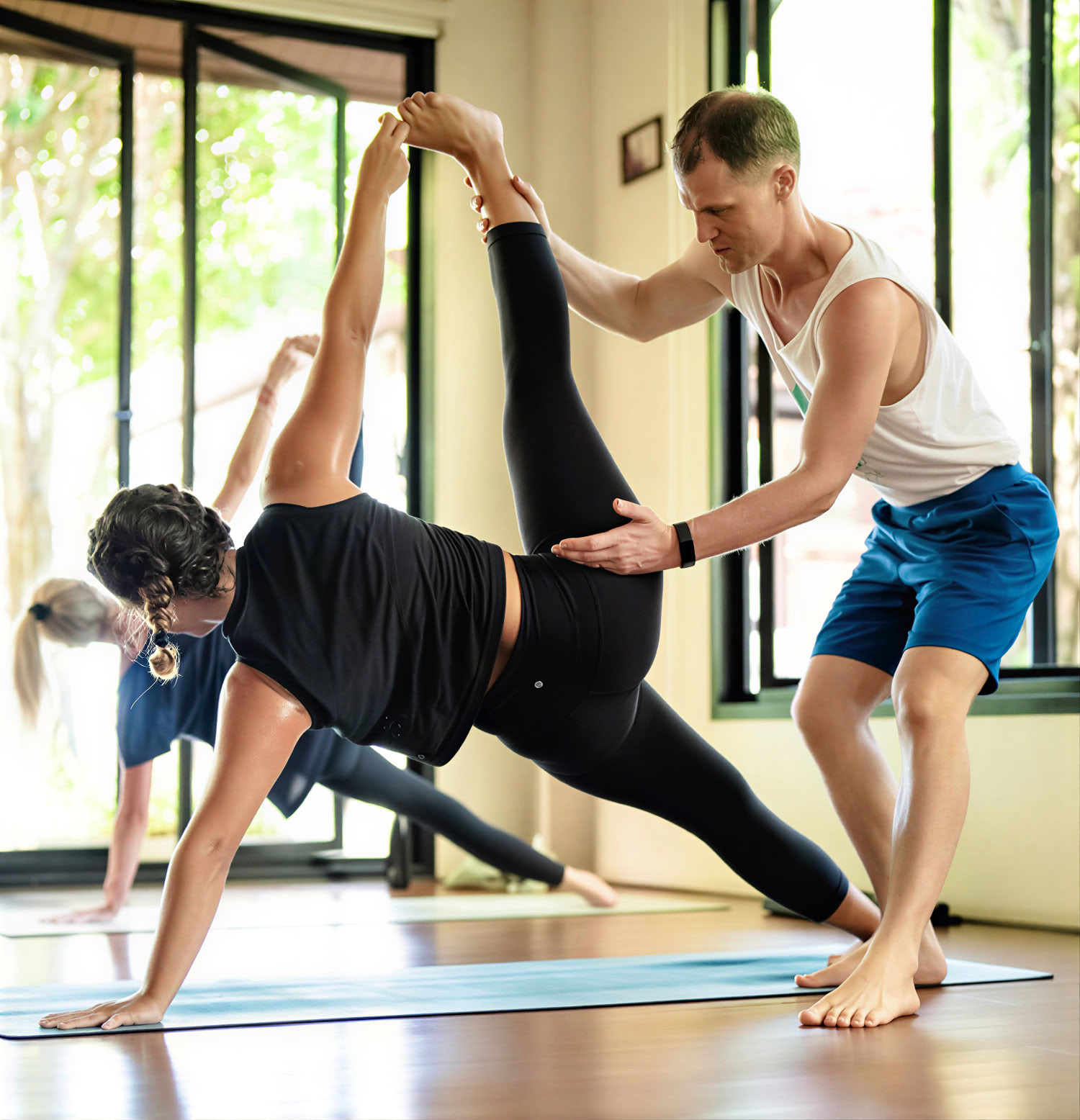


This 100-hour program brings together functional anatomy, fascial science, and exercise physiology to explore the risk–reward profile of asana and support a truly sustainable practice. With a strong focus on common yoga injuries, the course examines how they arise through load, repetition, joint mechanics, and the natural effects of aging. Students will learn to recognize tissue stress, compensatory movement patterns, and the postures most likely to provoke or worsen injury, while also developing the skills to teach students who are already working with injury. Hands-on assisting practice is woven throughout the training.
Each day begins with meditation and breathwork/pranayama in the Centered Yoga method. This leads into either led or self-practice Dynamic Asana, integrating the asana inventory and assisting work that will be explored in greater depth during the afternoon sessions.
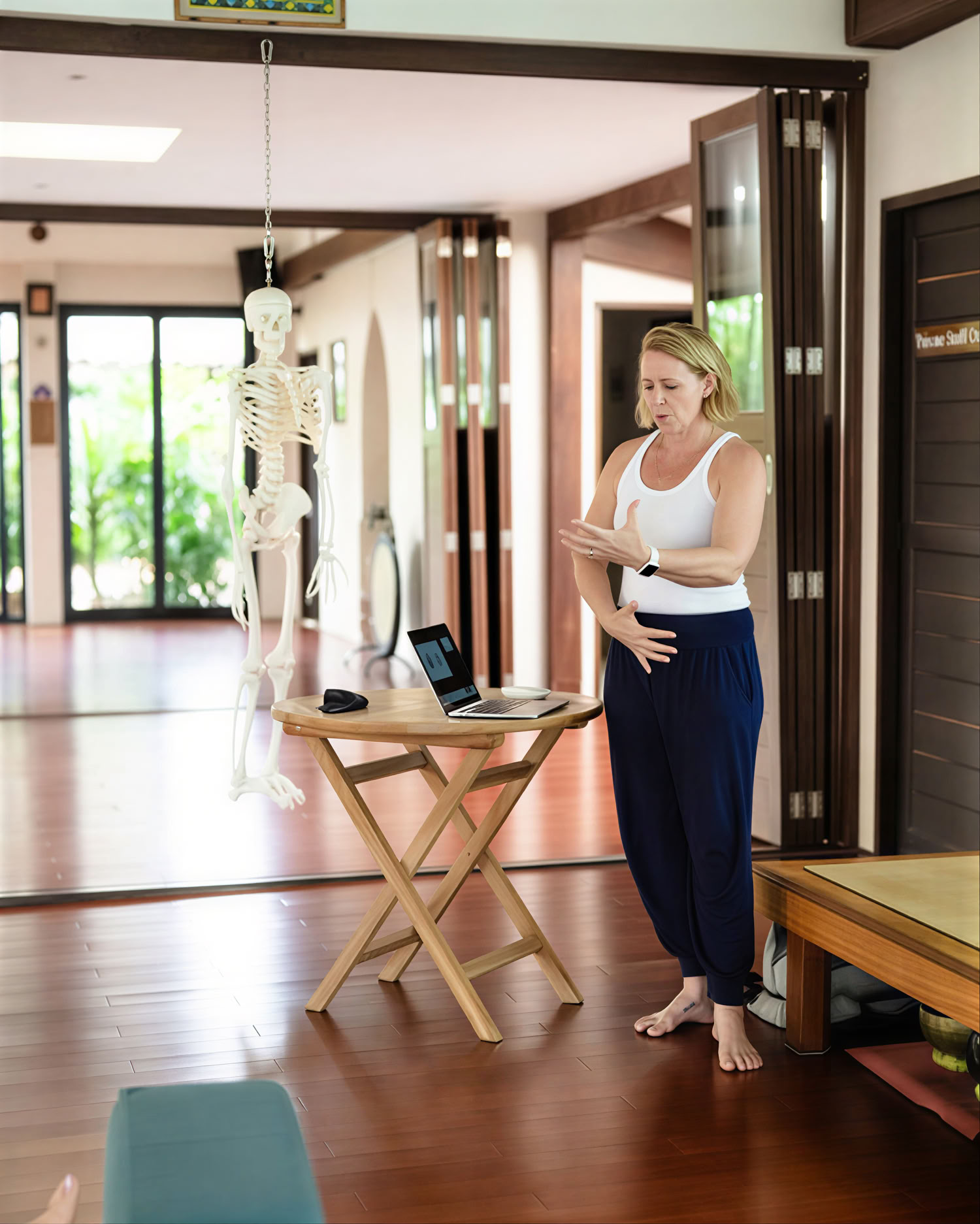
The anatomy and physiology content is presented through theory and supported by anatomical models, videos, PowerPoint presentations, live demonstration, academic articles, and experiential guided movement practices.
Topics include common musculoskeletal injuries inside and outside of yoga, such as:
Additional study areas include sustainable asana practice, what current research says about movement and aging, healing from injury and returning to practice, fascia in force transmission and body support, the stiffness-flexibility continuum, and sequencing for longevity.
The course also offers detailed functional anatomy of the shoulder girdle, the muscular anatomy, fascia, and function of the arms and hands, the physics of supporting the body with the hands, shoulder and wrist loading for injury prevention and maximal strength, the functional anatomy of the lumbo-pelvic-hip complex, and the forces acting on the sacroiliac joint to support balance and reduce dysfunction. Participants will also explore the art of assisting and how to feel end points with clarity and sensitivity.
Detailed asana clinics bring theory into practice through progressive preparation, alignment principles, safety precautions, cueing, sequencing, and hands-on assisting. The listed postures are an overview and may vary.
Arm Balances & Inversions
Focus includes safe preparation of the shoulders and wrists, plus details and variations of Bakasana (crow), Vasisthasana (side plank), Bhujapidasana (arm pressure pose), Astavakrasana, Tittibhasana (firefly), Pincha Mayurasana (feathered peacock), Sirsasana (headstand), and handstands.
Deep Hips and Backbends
Students will explore multiaxial hip opening and twists, with details and variations of Ardhabaddhapadma (half lotus), Kurmasana (tortoise), Padmasana (lotus), and multiple progressions in Virasana/Triang Mukha Ekapada Paschimottanasana and Marichasana. Backbending work includes Supta Virasana (reclined hero), Ustrasana (camel), and Urdhva Dhanurasana, along with tools for deepening backbends and building strength.
Advanced Exploration
Multiplanar asana is integrated through scorpion, Kapotasana, and backbending drop backs.
Practical Application
The training concludes with teaching a progressive hand balancing workshop.
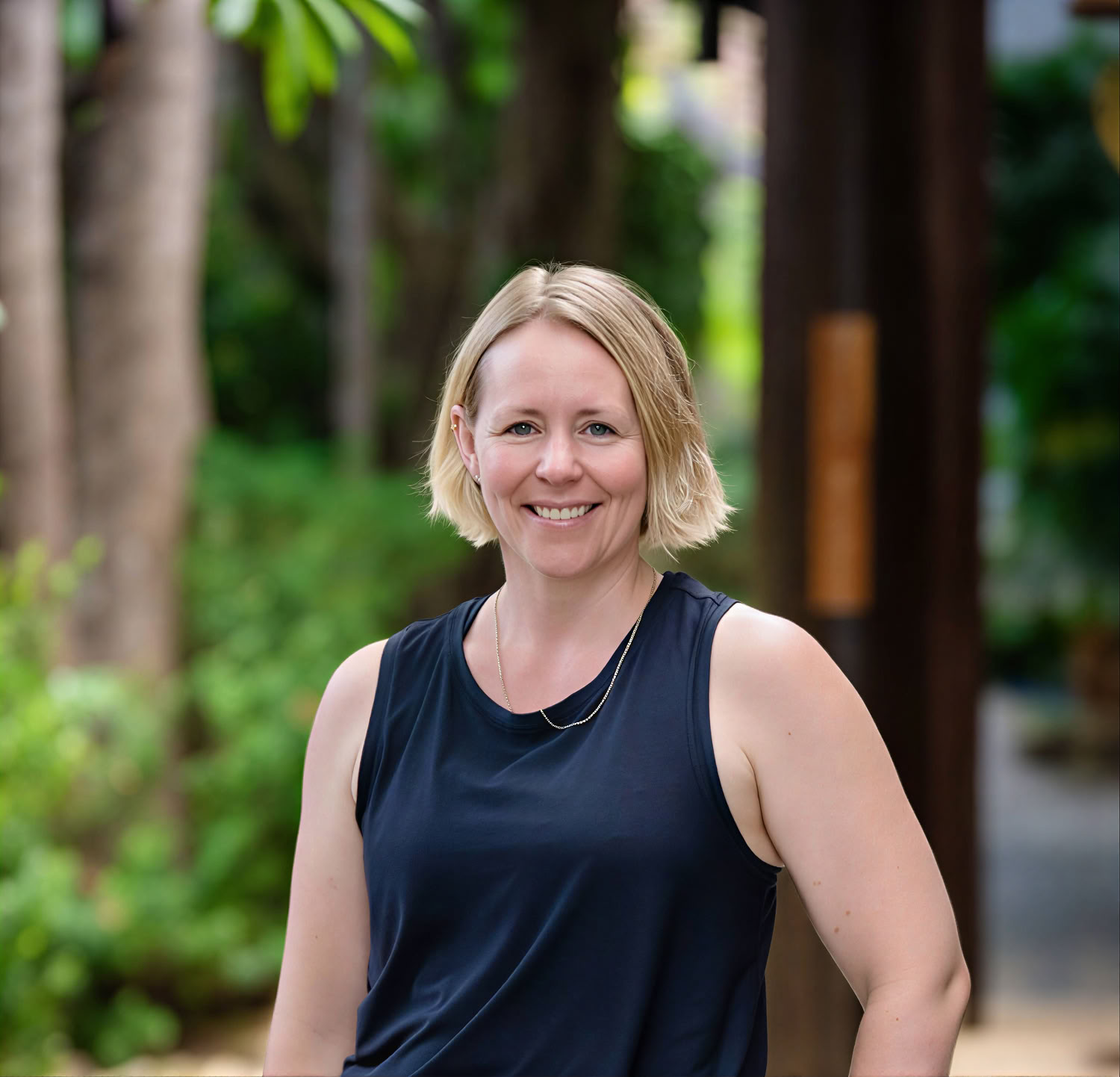
Arielle Nash
Arielle has spent nearly 20 years studying the human body, performance, and the factors that contribute to wellness. Her background includes a decade of training athletes and educating fitness professionals. She has taught yoga since 2004 and holds a degree in Kinesiology, along with certifications in Myofascial Compression Techniques®, Strength & Conditioning, and Nutrition & Wellness. After completing Centered Yoga Teacher Training in 2005 with Paul, she returned to Koh Samui every year to deepen her practice and study before making it her home in 2013.
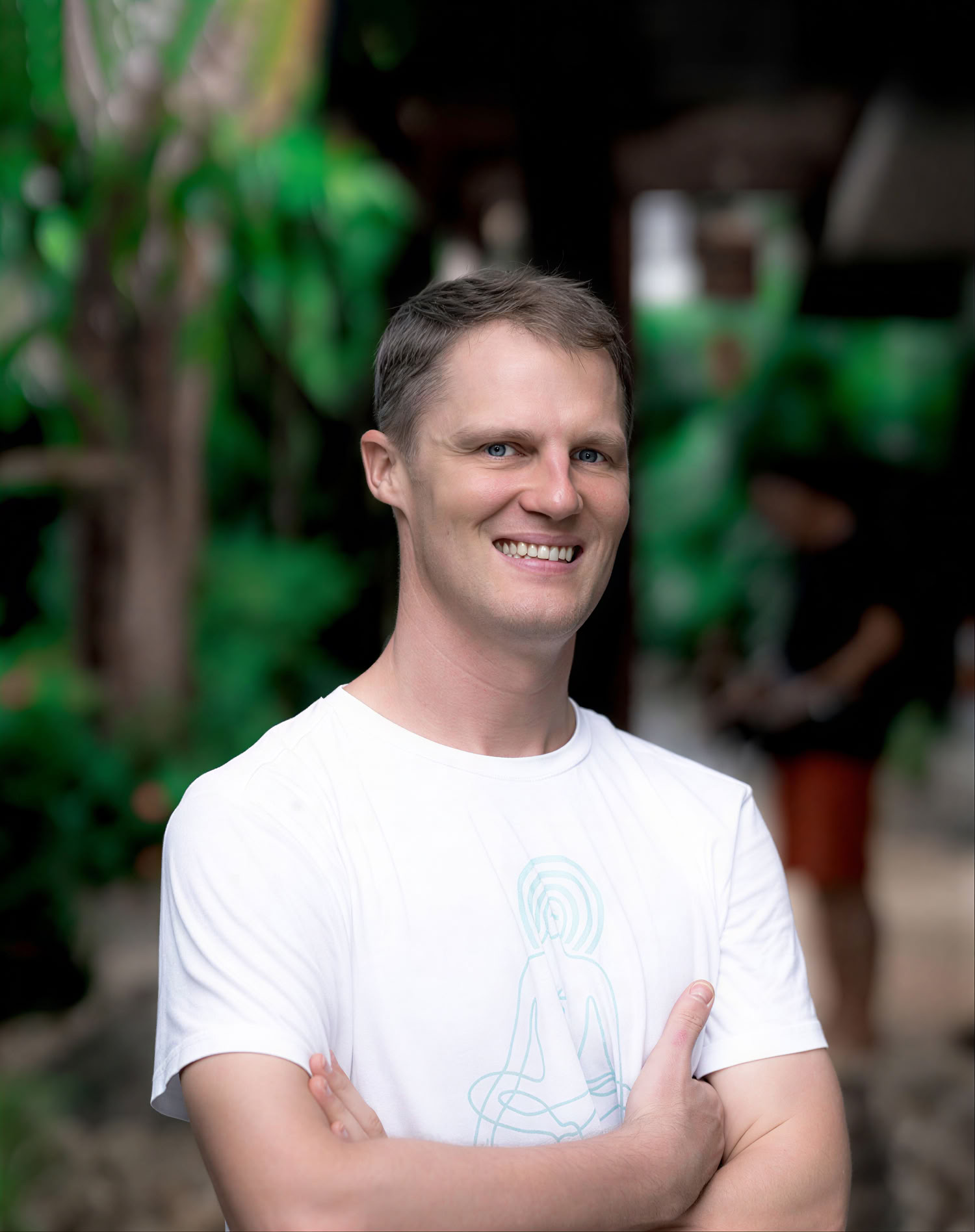
Daniel Stringer
Daniel has studied yoga since discovering the practice in England in 2003. In 2006, he completed his first training with Paul Dallaghan and later taught in Hong Kong for 10 years. He first came to Samahita as a guest teacher in 2014 and joined full time in 2018. A senior teacher, he is deeply committed to long-term practice, study, training, and teaching within the Centered Yoga tradition, while continuing to evolve with modern understanding.
Gill Breetzke
Gill was born in South Africa and has lived in the UK, Ireland, and Asia. Her international teaching career began in inner-city London schools, supporting children from challenging backgrounds, before continuing in Dublin and Yangon. Koh Samui is now her home, where she combines her love of yoga and music in this unique transformational place. She began her daily yoga practice in 2004, training with Paul Dallaghan and Richard Freeman, and is a Yoga Alliance 500RYT and 1100-hour Centered Yoga Certified teacher.
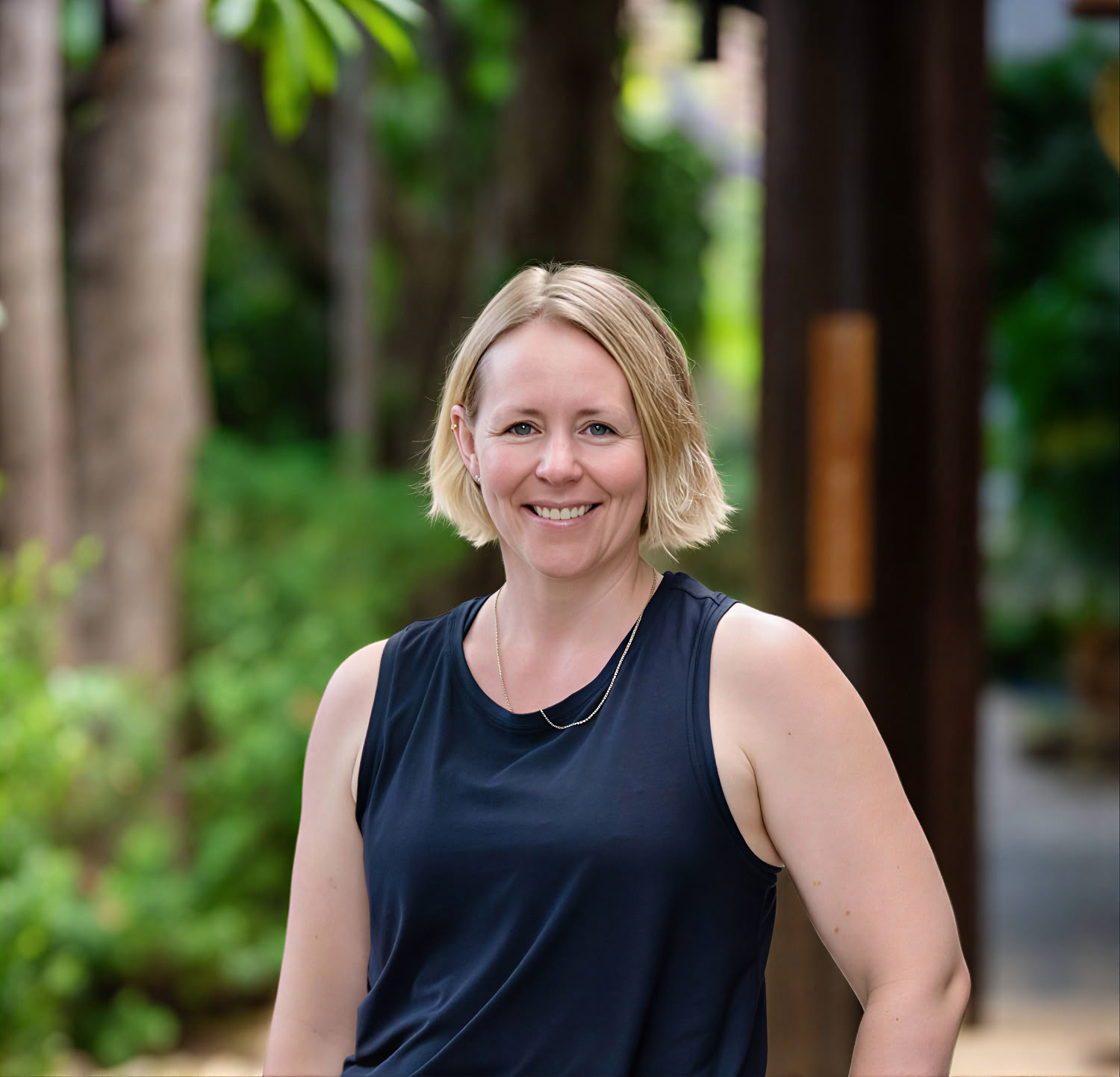
Arielle Nash has devoted nearly two decades to studying the human body, performance, and the many factors that support lasting wellness. That deep curiosity shaped a 10-year career training athletes and educating fitness professionals, and she has been teaching yoga since 2004. Her background combines both academic study and hands-on experience. Arielle holds a degree in Kinesiology, as well as certifications...
Read more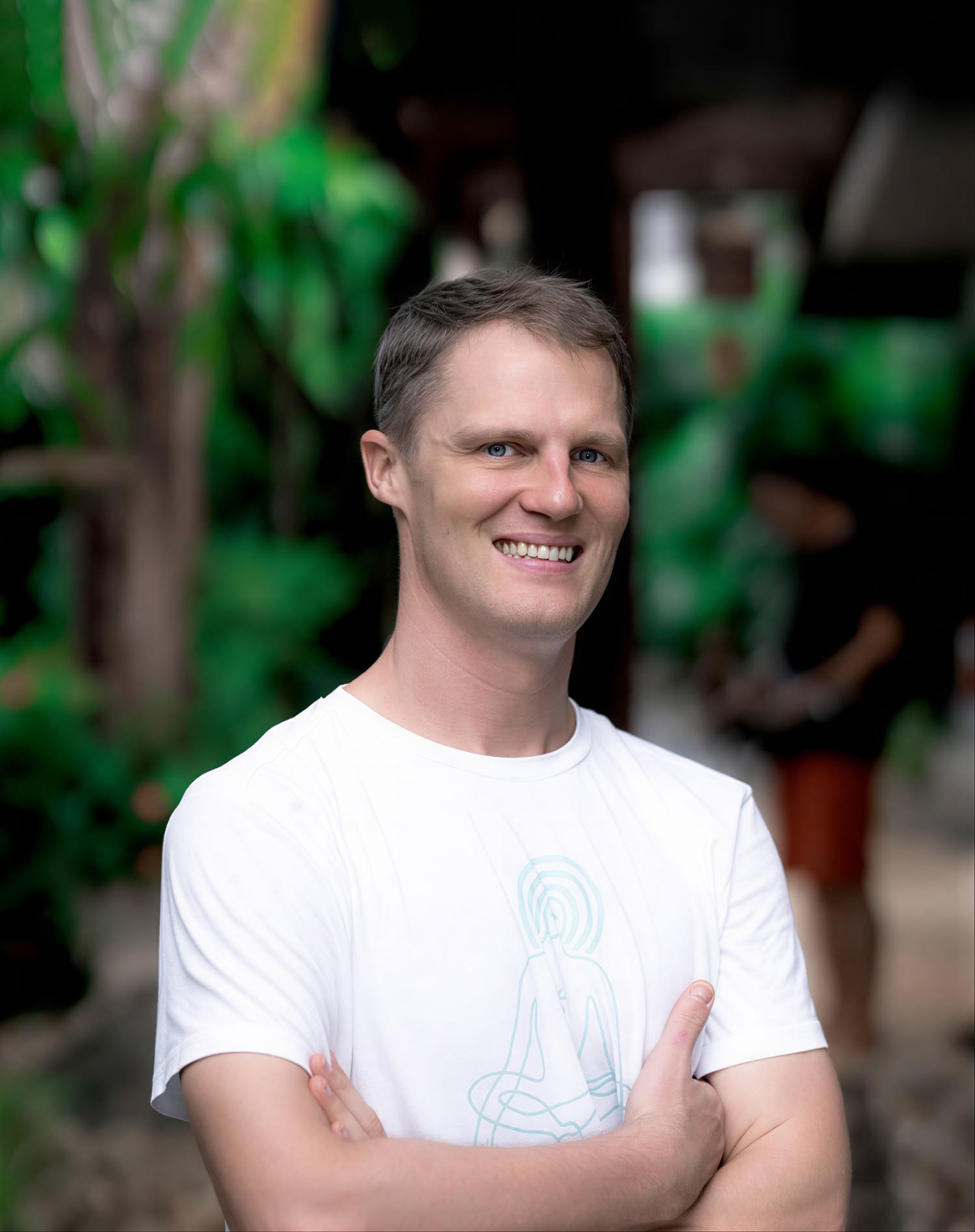
Daniel Stringer has been devoted to yoga since first discovering the practice in England in 2003. After completing his initial training with Paul Dallaghan in 2006, he went on to teach in Hong Kong for 10 years, developing a strong foundation in both practice and teaching. He began working with Samahita as a guest teacher in 2014 and joined the...
Read more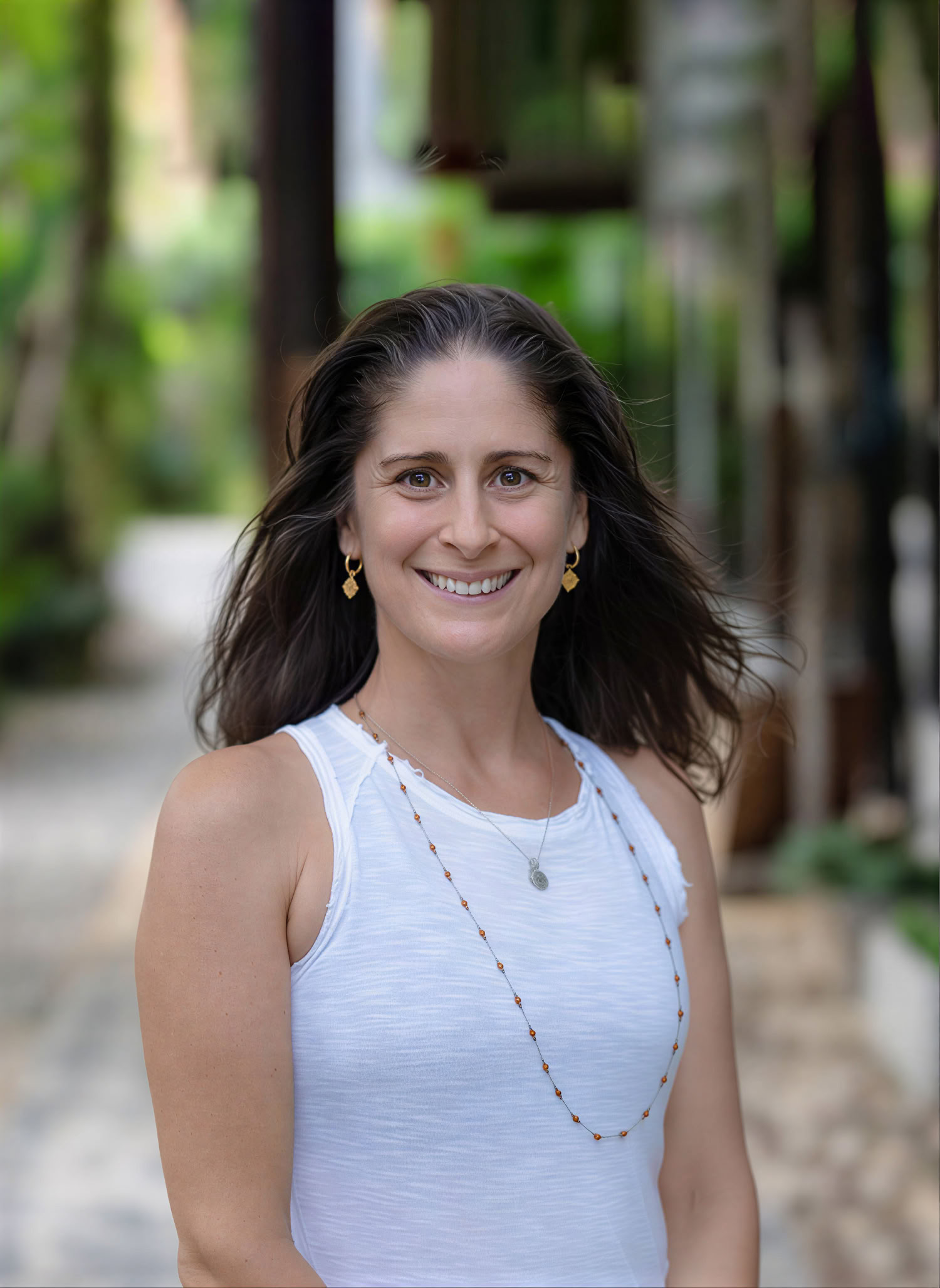
Born in South Africa and shaped by years of living and teaching across the UK, Ireland, and Asia, Gill Breetzke brings a rich international perspective to her work. Her teaching journey began in inner-city London schools, where she supported children from challenging backgrounds before continuing on to Dublin and Yangon. Today, Koh Samui is home, and it is here that...
Read more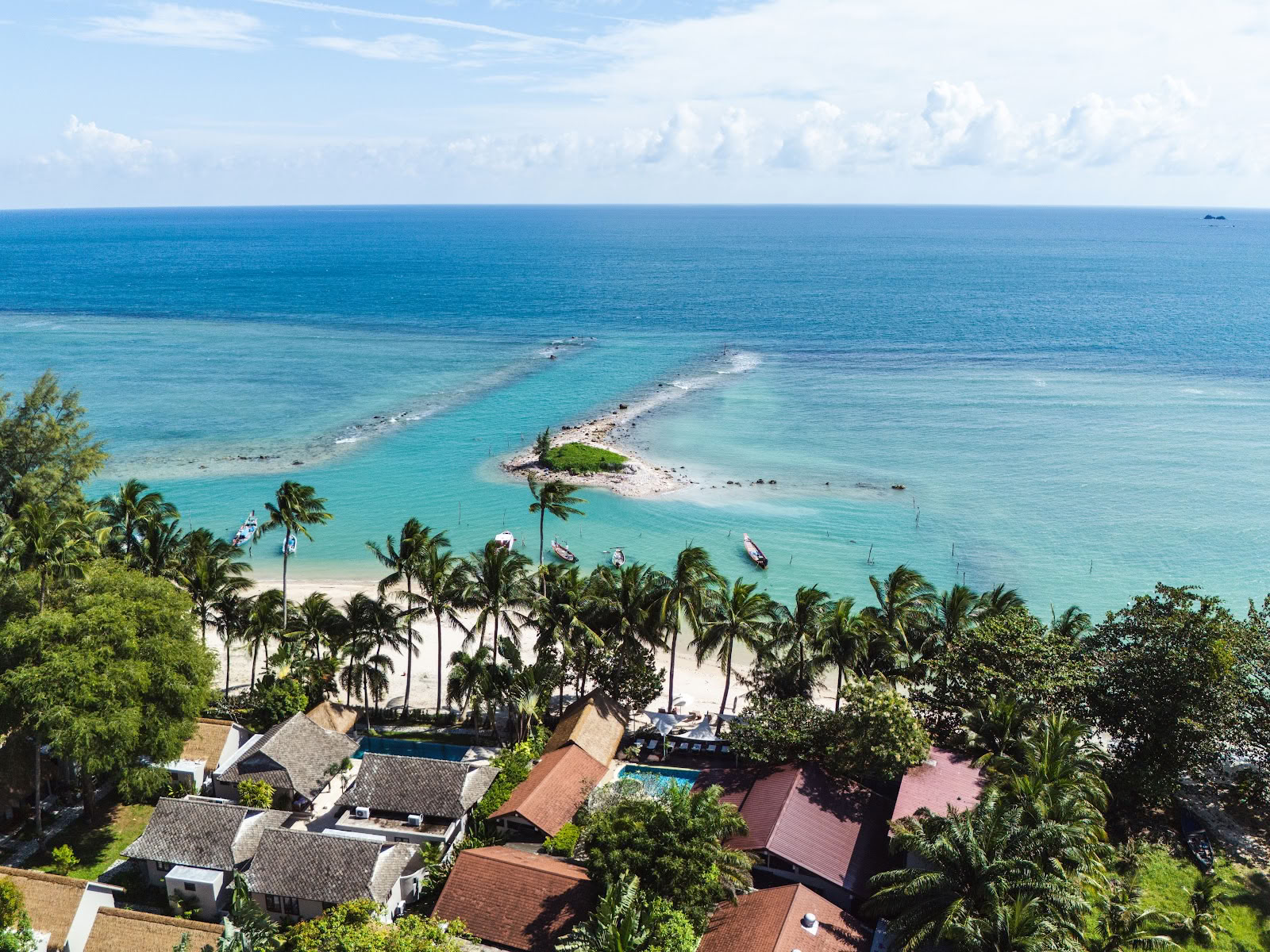
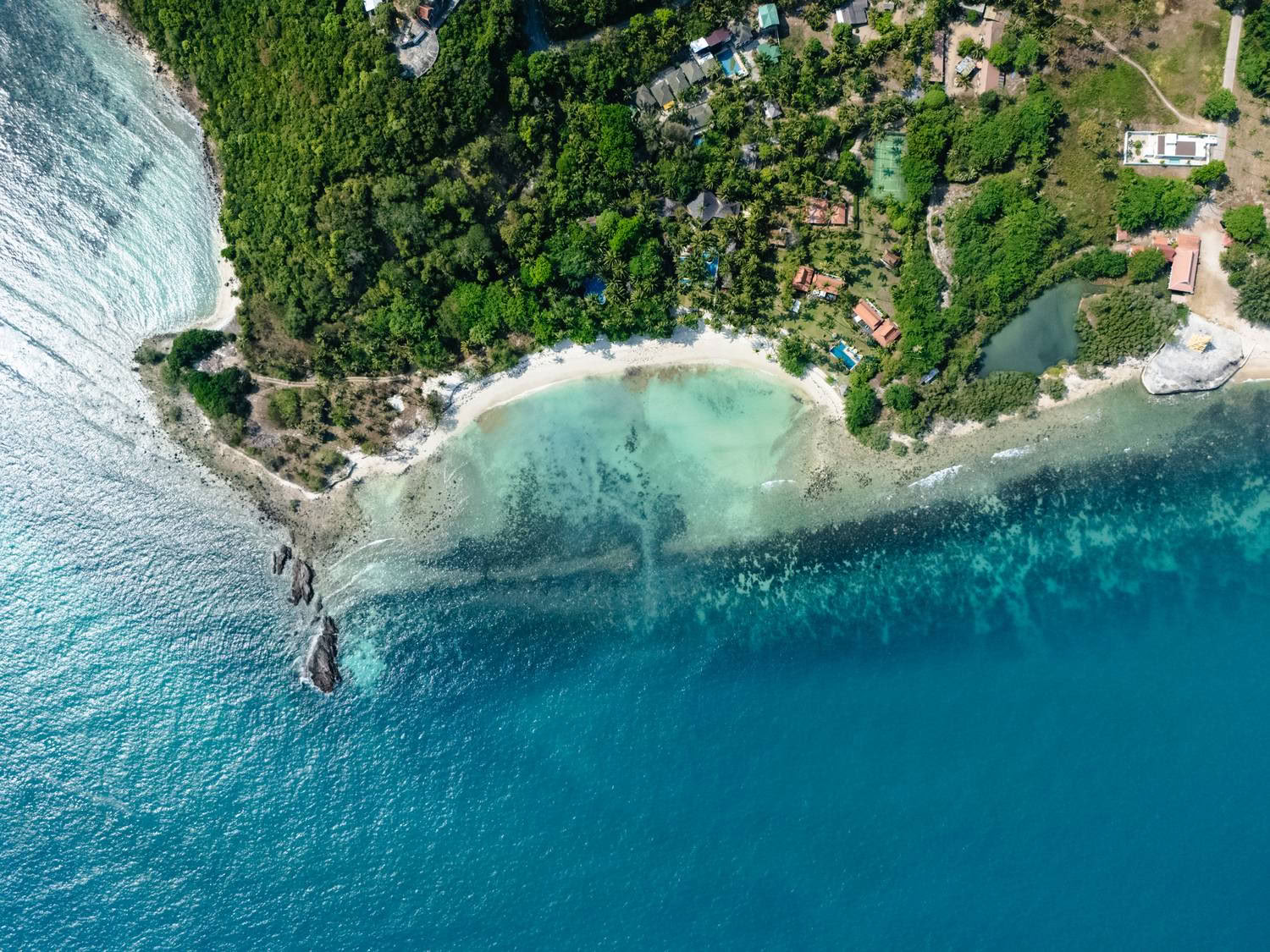
75 Namuang 2, Tambon Na Mueang, Amphoe Ko Samui, Chang Wat Surat Thani 84140, Thailand
Amphoe Ko Samui
Price
$2,454.00
Sun, Jun 28 – Sat, Jul 11