
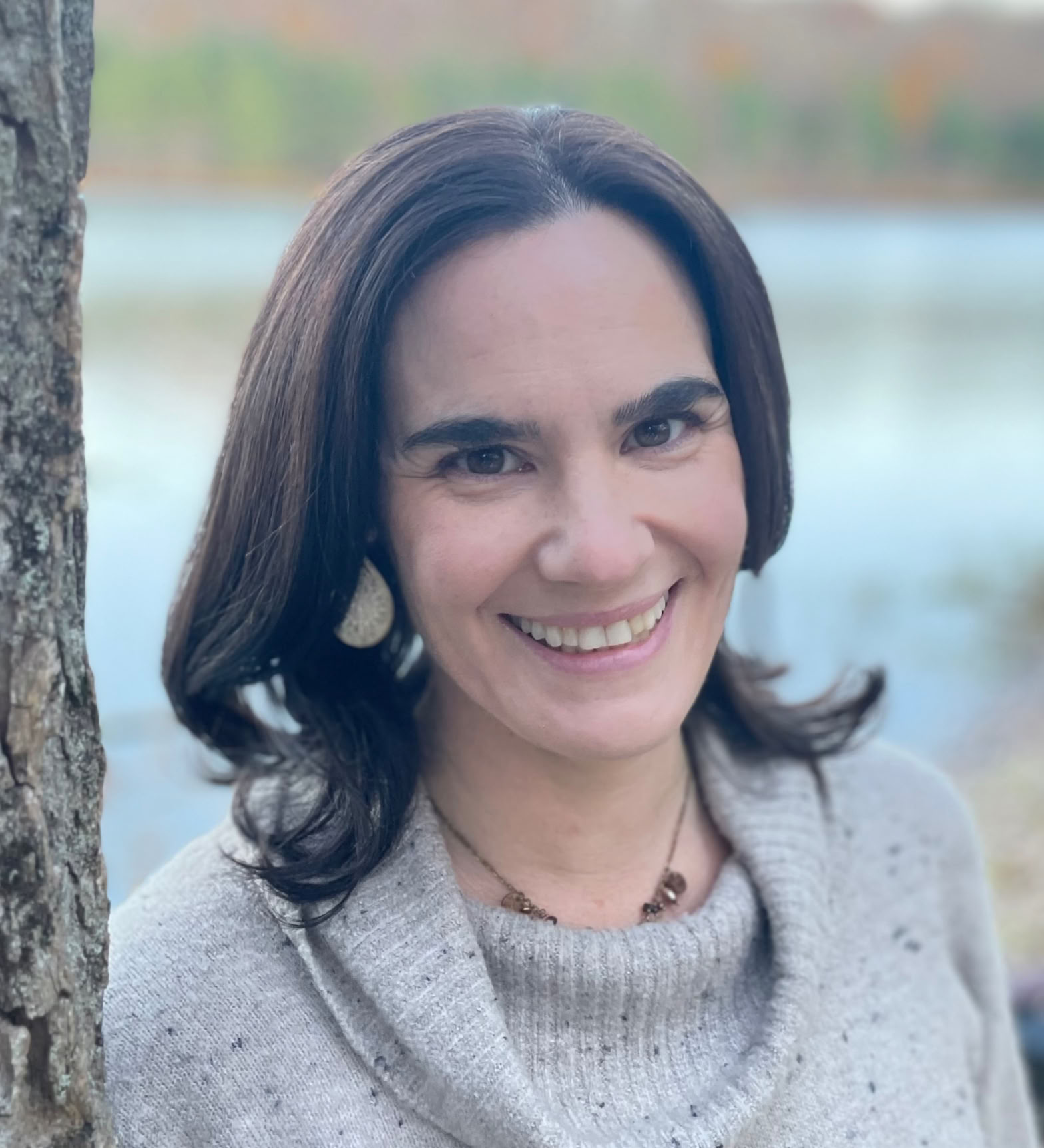
Healing unfolds through relationship, at a pace that respects your nervous system, your story, and what you can hold in the present moment.
I am a trauma-centered therapist with a direct, warm, and relational style. I meet clients where they are and support healing in ways that feel meaningful and true to their lived experience. I work with people across the lifespan who have experienced many forms of trauma and chronic stress, including abuse and neglect, motor vehicle and workplace injuries, and demanding professional settings such as first responders and military service. Over the years, I have also provided specialized counseling and outreach support for individuals with Autism Spectrum Disorder (ASD), Alzheimer's/Dementia, and Intellectual Disability.
My practice is rooted in trauma-centered psychotherapy and informed by the understanding that trauma affects both mind and body. Talk therapy is an important part of the process, but it is not always sufficient on its own. When it fits a client’s goals, I integrate somatic and creative arts-based interventions such as movement, imagery, music, or visual expression to create additional pathways for listening, processing, and regulation. These approaches are always offered with choice and invitation, designed to deepen the therapeutic process rather than replace it.
I am deeply committed to helping clients develop self-awareness, resilience, and a greater sense of agency. My aim is to offer a therapeutic space that feels safe, collaborative, and attuned—one where clients can move at their own pace and explore their experiences with curiosity, care, and respect.
I am a Licensed Professional Counselor Associate (LPC-A) and a Registered Dance/Movement Therapist (R-DMT). I earned my master's degree from Columbia College Chicago and am a certified Ways of Seeing practitioner, with specialized training in infant, child, and family dance/movement psychotherapy. I have also completed certification in Creative Arts & Trauma Treatment through the KINT Institute in New York City.
If you are thinking about therapy, you do not need to arrive with perfect words or a clear plan. You are welcome to come as you are. Together, we can gently explore what you have been carrying, what may be asking for attention, and what support could look like for you right now.