200 Hour Yoga Teacher Training in Cambodia


Description
Looking for a transformative journey that takes you away from the pressure of everyday life? This 200-hour yoga teacher training is designed for those who want to deepen their practice, build real teaching skills, and make the most of their time abroad. The curriculum blends yoga philosophy with hands-on training, making it a strong choice for beginners as well as aspiring teachers. The program is all-inclusive and created to suit a wide range of budgets.
For those interested in expanding their studies, Level 1, Level 2, and Level 3 Sound Healing Courses can also be added at an extra cost and completed during free time in the daytime. Pricing details are available below the page.
Why This Destination Appeals to Yoga Practitioners
With its beautiful forests, rivers, and mountain views, this location offers a peaceful setting for focused study and personal growth. Its rich cultural and spiritual atmosphere continues to attract yoga practitioners from around the world. Experienced teachers have established many yoga schools here, and weekends can be used to enjoy other activities that nourish the body and mind.
About the Course
The program has been shaped to support different learning styles, with theory and practical training given equal importance. The teaching team brings years of experience in guiding students from many backgrounds. Weekly one-on-one doubt sessions are also included to help students receive personal support and clarification.
Certification
All courses are Yoga Alliance USA certified, allowing graduates to teach as certified yoga teachers anywhere in the world.
Dress Code for Opening and Graduation
Please bring one or two sets of white clothing for the opening and graduation ceremonies.
Course Syllabus
Ashtanga Yoga Postures
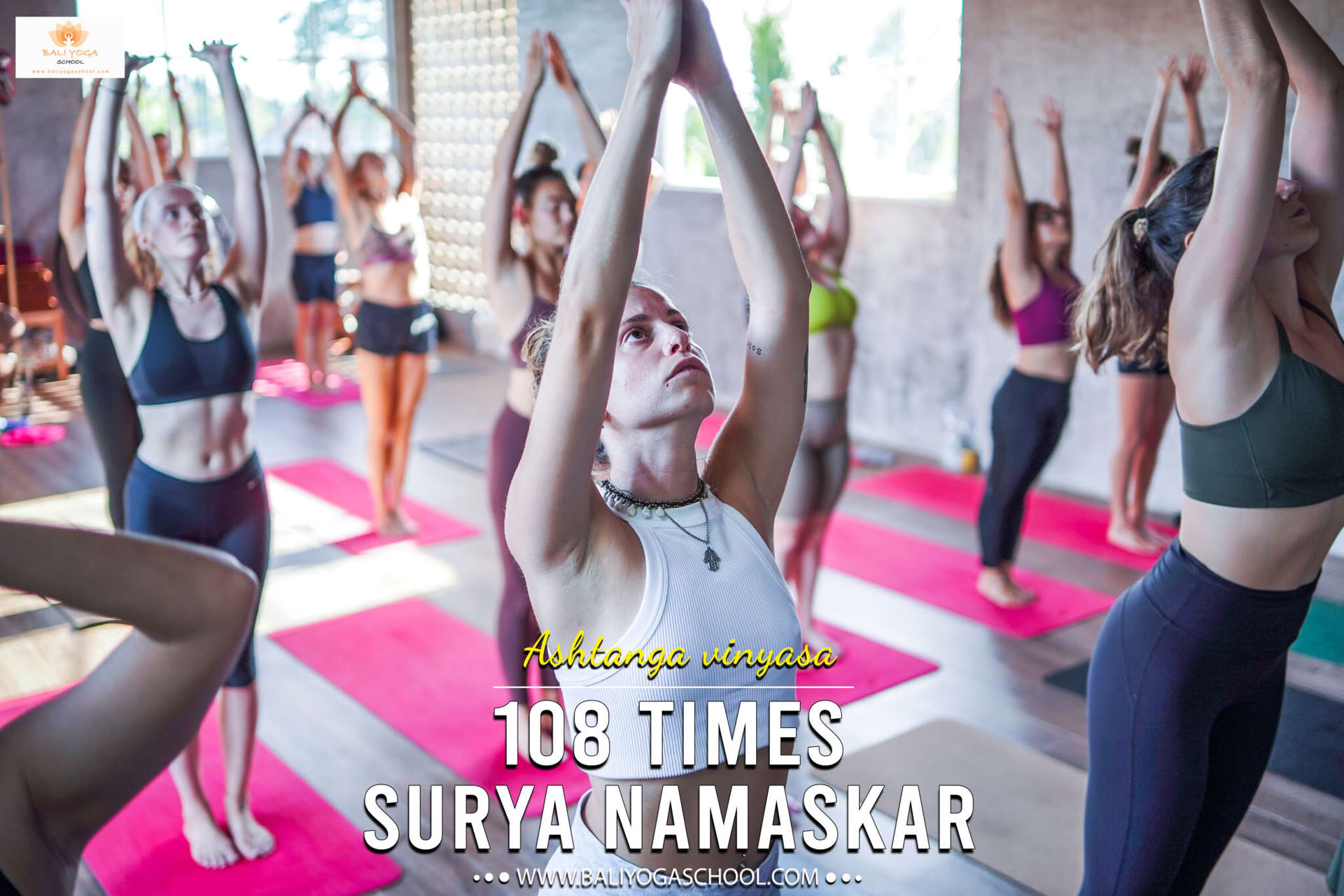
Students are introduced to the basics of Ashtanga yoga and guided through the full primary series in a systematic way according to the tradition. The training includes Sun Salutation A, Sun Salutation B, standing postures, seated postures, finishing postures, Mysore style, use of yoga props, and teaching practice. The four-week structure moves from introduction and sun salutations to standing work, seated and finishing sequences, and finally Mysore style with teaching practice.
Hatha Yoga / Vinyasa Flow
This section covers the philosophy and ancient scriptures of Hatha yoga, its aims and objectives, Pavanmuktasana series 1, 2, and 3, centering postures, Surya Namaskara, Chandra Namaskara, Padmasana group of asanas, backward bending, forward bending, spinal twisting, inverted, and balancing postures.
Meditation Practices
The meditation module includes the meaning and history of meditation, Om meditation, Shiva mantra meditation, breath awareness, chakra meditation, sound healing meditation, Yoga Nidra, Nada Brahma meditation, dynamic moving meditation, kirtan spiritual dancing meditation, Tratak meditation, body awareness meditation, Vipassana meditation, self-surrender meditation, laughing meditation, and walking meditation.
Yoga Philosophy
Topics include the meaning, goal, and history of yoga; the three kinds of pain; Patanjali Yoga Sutras; the eight limbs of yoga; the four paths of yoga; Karma Yoga, Bhakti Yoga, Gyan Yoga, and Dhyana Yoga; the teachings of the Buddha; the trigunas; Bhagavad Geeta and Upanishads; Kundalini yoga; the Pancha-Kosha; chakras; and nadis.
Pranayama
Students study the benefits of pranayama, three ideal postures for practice, and a range of breathing techniques including Clavicular, Thoracic, Diaphragmatic, Yogic, Nadisodhanam, Bhastrika, Kapalbhati, Bhramari, Ujjayi, Sitali, Sitkari, Ashta Kumbhaka, Anulom Vilom, Surya Bhedi, Chandra Bhedi, Antar and Bahir Kumbhak, and Pranava Pranayama.
Yoga Anatomy and Physiology
This subject introduces body structure, body planes, bones, joints, digestive and nervous systems, respiratory system, muscular system, tissues and organs, spinal deformities, directional terms, and movement. It also includes Kati Basti, a lower back healing practice, and lifestyle according to ayurveda.
Alignment and Adjustment
Students learn why alignment matters, how to perform and correct postures, common mistakes, precautions, contraindications, benefits, modifications, verbal guidance, hands-on adjustments, and the role of props and tools in supporting safe and effective practice and teaching.
Mudras and Bandhas
Training includes Chin Mudra, Jnana Mudra, Vishnu Mudra, Nasagra Mudra, Shambhavi Mudra, Ashwini Mudra, Shanmukhi Mudra, Viparita Karani, and the energy locks: Mula Bandha, Uddiyana Bandha, Jalandhara Bandha, and Mahabandha.
Yoga Cleansing
Shatkarma practices include Rubber-neti, Jalaneti, and seated postures for pranayama sadhana such as Easy Pose, Half Lotus, Swastikasana, and Siddha Yoni Asana.
Teaching Practice and Methodology
Students develop skills in demonstration, instruction, alignment, adjustment, and evaluation through written tests, practical asana tests, attendance, performance, and behavior.
Daily Schedule
Days begin at 5:30 AM with morning bell, followed by Shatkarma and pranayama, Hatha Vinyasa yoga, breakfast, alignment and teaching methodology, yoga philosophy, anatomy, lunch, Ashtanga yoga, tea break, meditation, dinner, and lights off at 9:00 PM.
Arrival and Departure
The course begins on the 1st of every month at 5:00 PM with the opening ceremony and orientation. It ends on the 23rd at 7:00 PM with the farewell ceremony, and departure is on the 24th before 12:00 PM.
The most convenient way to arrive is by flying to Phuket International Airport (HKT). After booking your flight, share your details so a driver can meet you there. Airport pickup is available for an additional charge.
Included in the Course Fee
- 23 nights accommodation
- 1 full-body ayurvedic massage
- 3 daily vegetarian meals and teas
- Certificate of Completion
- Weekend excursions
- Weekday events
- Complimentary Wi-Fi
- School T-shirt
- School bag
- 200-hour course manual
- Course materials including notebook, pen, neti pot, rubber neti, and eye cups
- Yoga mats and props for use during training
Not Included
- Personal expenses, medical expenses, and transportation
- Extra classes
Refund Policy
The booking deposit is refundable only if cancellation is made more than 15 days before the start date. In that case, 10% will be deducted for service charge, bank charge, and government tax. Refunds are processed within 7 working days. Cancellations made within 15 days of the start date are not refundable, though rescheduling is accepted. If a participant cancels after joining, the course fee will not be refunded.
Advance Booking Fee
A deposit of 500 USD is required to reserve a place. Booking fees can be paid through Razor pay, Western Union, bank transfer, or Transfer Wise. A confirmation letter is sent after the advance payment is received, and the remaining balance may be paid on arrival by credit card, debit card, cash, or bank account transfer.
Terms and Guidelines
All classes are mandatory except in cases of emergency or illness with permission from the teacher. Uninformed absences are not accepted. Participants are expected to show strong self-motivation, self-discipline, and commitment to spiritual activities, meditation sessions, lectures, and asana classes. Meat, fish, eggs, black tea, coffee, alcohol, tobacco, drugs, and nudity are prohibited. Smoking and alcohol are strictly forbidden on the premises, punctuality is required, and students must keep their accounts clear before departure. Accommodation is provided only for enrolled students, while friends or relatives may stay only by renting another room.
Teachers
Bali Yoga School
Place
Cambodia
Place map
Contact Information
Price
On request
Please contact the organizer directly for pricing information