
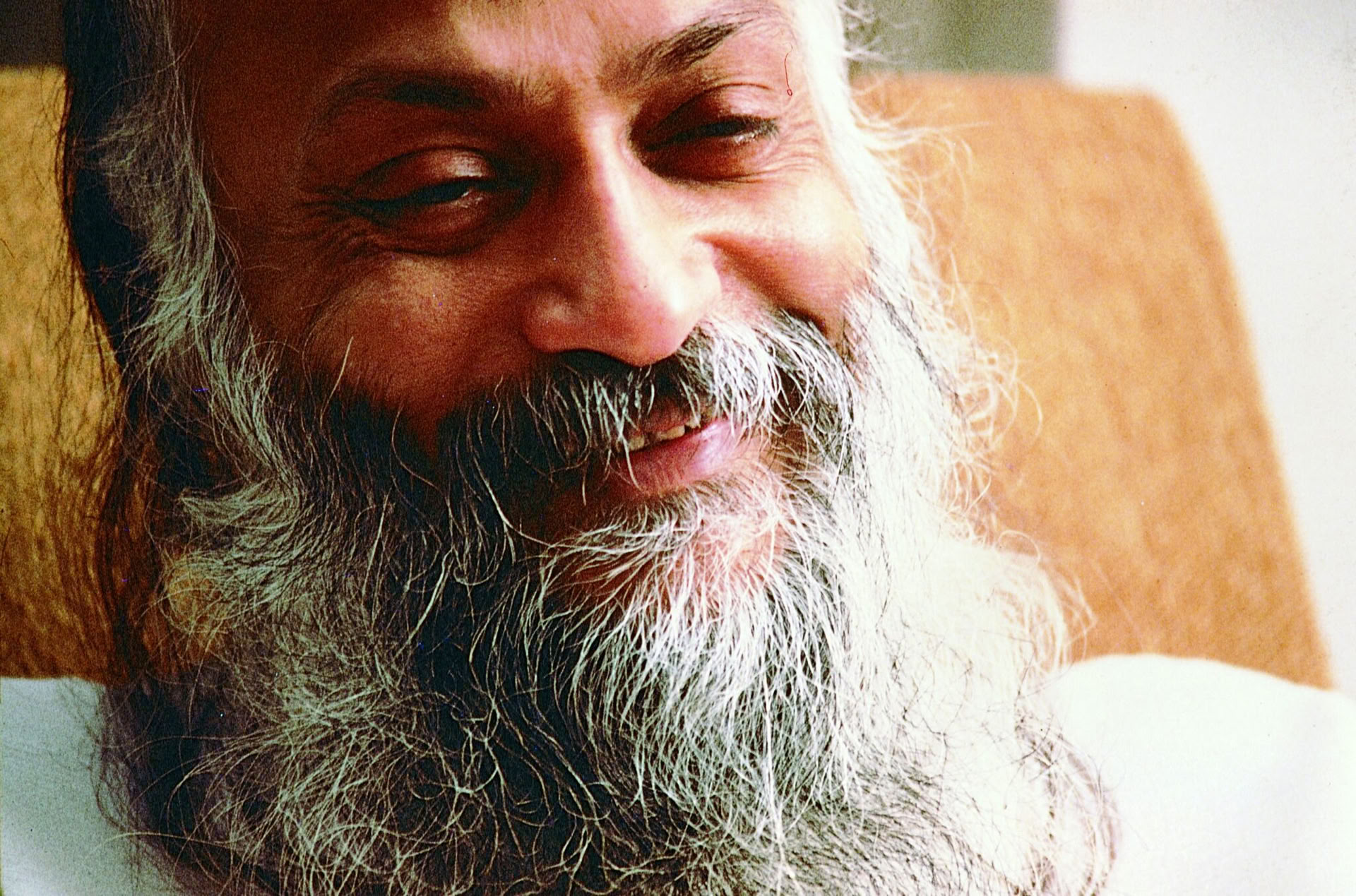
From the perspective of a seeker, Osho can feel like the very thing being sought. For a devotee, he may appear as the whole of existence. And for someone hearing him for the first time, he can arrive like a fresh breeze. Depending on one’s openness and inner readiness, he may be experienced as a philosopher, an author, or a doorway into an entirely new dimension of being.
“Man as such is a search,” Osho says. Human beings long for fulfillment, happiness, and, in the deepest sense, for something beyond change, time, and impermanence—something deathless. This search may be conscious or unconscious, but it continues across lifetimes. Yet many people look for it where it has never been and will never be: in wealth, power, sex, fame, intensity, or in their opposites, such as poverty, celibacy, anonymity, or boredom.
Throughout the history of human consciousness, many enlightened souls have offered support to this search. Krishna, Shiva, Jesus, Buddha, Laotse, and Rumi are only a few names in a long line of masters who continue to inspire humanity. And yet, despite all this wisdom, humanity remains marked by cruelty, egoism, exploitation, war, and deep unhappiness. Osho asks why this is still so after thousands of years, and insists that the answer must be existential.
According to this account, Osho became enlightened on 21 March 1953. What sets him apart is the scale of his contribution: 647 book titles, with around 50 still untranslated from Hindi into English, and more than 650 new methods created to transform energy, work with the subconscious, and discover the silence of the mind in meditation. He spoke for thousands of hours to people from East and West, addressing every aspect of human life—love, relationship, education, death, creativity, art, music, psychology, health, children, chakras, past lives, and the methods to explore them.
His teachings also offered practical ways to transform suffering into bliss and freedom—whether that suffering appears as loneliness, meaninglessness, helplessness, fear, depression, illness, or mortality. He emphasized authenticity, centeredness, and a total embrace of life, without rejecting body, pleasure, sex, joy, love, dance, or celebration. For Osho, meditation is the main path of this celebration, especially for modern people who are often restless, tense, and overly identified with the mind.
He also spoke deeply about what it means to be a disciple of an enlightened master, and how guidance can be received whether the master is physically present or not. His work draws from Zen, Tantra, Buddhism, Sufism, Hinduism, Vedanta, Yoga, and esoteric sciences, while opening forgotten sources of wisdom in a fresh way. His speaking is described not as information, but as darshan—a living sharing of truth and presence.
Osho means “the ocean,” and that image reflects the vastness associated with his teaching. In his view, if even one percent of humanity turns toward meditation, the consciousness of the world can change. In a time of deep crisis, he saw meditation as a vital response for the future of humankind.