
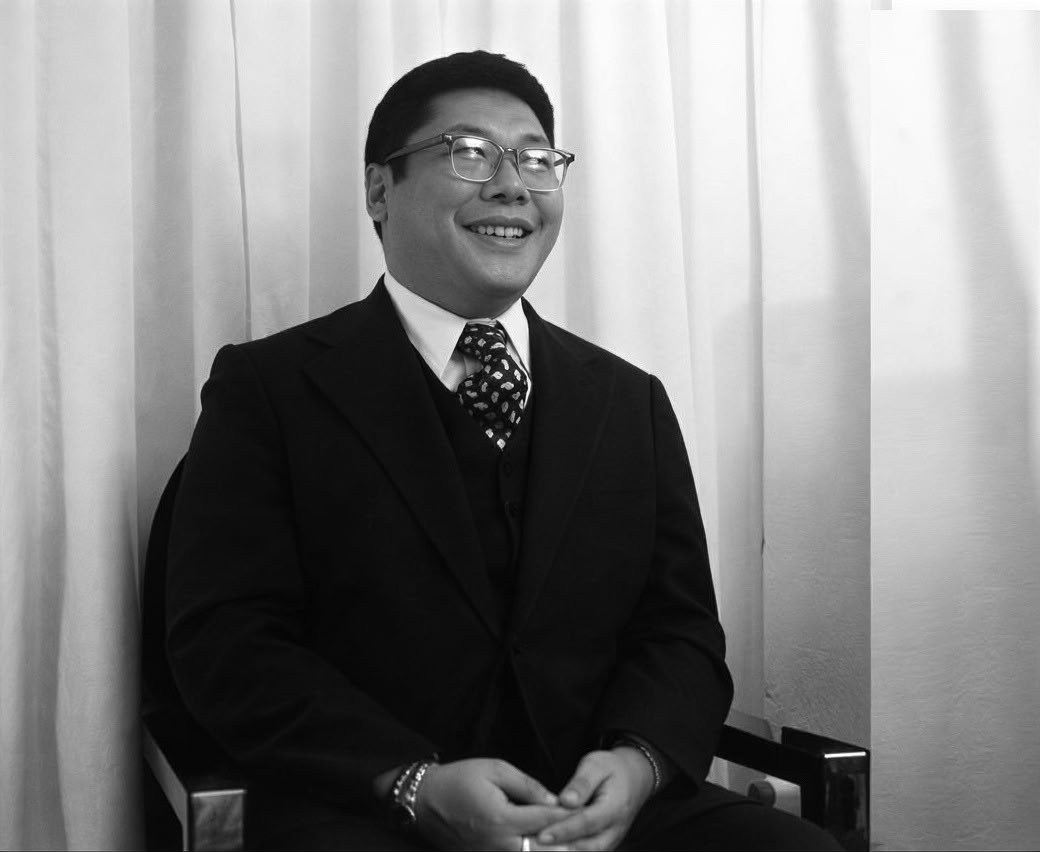
The first Sakyong of modern times was Tibetan meditation master Chögyam Trungpa Rinpoche. In Tibetan, the title Rinpoche means “precious one” and is given to a rare and deeply respected teacher. Before fleeing Tibet in 1959, he held numerous meditative lineages and led a large monastic complex. Witnessing the loss of his own culture, as well as the turmoil and suffering in the wider world, he entered a profound period of self-reflection and meditation.
Through this process, he recognized that the ancient teachings of Shambhala were more relevant than ever in the face of the planet’s immense challenges. From the 1970s onward, he shared a social vision rooted in the Shambhala principle, which affirms the inherent goodness of all humanity. He believed humanity stood at a crossroads and that creating a better world would require an approach grounded in global respect for fundamental human dignity. This is the heart of the Shambhala message.
His teachings were later collected in his bestselling book Shambhala: The Sacred Path of the Warrior, along with many other writings, films, and recordings.