


For most of human history, people who sat with mushrooms in ceremony understood something before science had the language for it: the experience lives in the body, not only in the mind. When the night ends, you often carry yourself differently. What the medicine touches is rarely limited to thought alone. Today, research is beginning to explore that same possibility. In July 2025, a peer-reviewed study published in npj Aging, part of the Nature portfolio, offered the first experimental evidence that psilocybin may extend cellular lifespan and improve survival in aged mice. Later, Bryan Johnson conducted a highly quantified self-experiment with psilocybin, tracking 249 biomarkers across two ceremonial doses. His systemic inflammation dropped by more than 35%, his microbiome shifted measurably, and his brain showed greater flexibility and less rumination that lasted beyond the experience. These are very different studies, yet together they suggest something many people have long sensed: psilocybin may be affecting more than psychology.
Nature study findings
The 2025 npj Aging study found that psilocin, the active metabolite of psilocybin, extended the lifespan of human cells by 29% at a 10 micromolar dose and by 57% at 100 micromolar. Aged mice treated with psilocybin also showed improved survival. Researchers from Baylor College of Medicine and Emory University used a validated model of cellular aging called replicative senescence, in which human fetal lung fibroblasts are repeatedly divided until they can no longer replicate. Cells exposed to psilocin kept dividing longer than untreated cells without becoming cancerous. They simply aged more slowly. In a separate experiment, aged mice receiving psilocybin survived at higher rates than controls. The researchers described psilocybin as a potential “geroprotective agent,” meaning a compound that may protect against the cellular processes of aging. Their proposed mechanism connects to the psilocybin-telomere hypothesis, which suggests psilocybin may help preserve telomere length, especially since chronic stress, depression, and anxiety are associated with telomere shortening. This study offered the first direct experimental test of that idea, and the findings supported it.
Bryan Johnson study findings
Although not peer-reviewed, Bryan Johnson’s self-experiment followed the most comprehensive biomarker tracking yet attempted around a psilocybin experience. After two doses separated by a month, he reported broad benefits across mental, hormonal, metabolic, and anti-inflammatory systems. His systemic inflammation shifted from “elite” levels to undetectable, a reduction of more than 35%. His microbiome changed in ways he described as dramatic. Brain scans showed reduced activity in the prefrontal cortex and command networks during the experience, along with increased connectivity and cognitive flexibility afterward. What makes the experiment notable is that Johnson began from an outlier baseline: most of his biomarkers were already in the 99th percentile of optimal. Even with near-perfect diet, daily exercise, eight hours of sleep, and meticulous tracking, psilocybin still produced multi-system changes that his other interventions had not.
Why this matters
This emerging research points to a deeper role for psilocybin than mood or perception alone. For decades, the conversation has centered on consciousness, mystical insight, and reductions in depression scores. Those effects are real. But the newer data suggest a parallel story unfolding in the cells, mitochondria, inflammatory pathways, and gut microbiome. Many people who have sat with this medicine could feel that something biological was shifting, even without a scientific framework for it. The body changes after ceremony. The system settles. What was running too hot for too long begins to cool. That is now becoming measurable. Whether psilocybin meaningfully extends human lifespan remains unproven, but the picture of what this medicine may do is clearly expanding.
The container
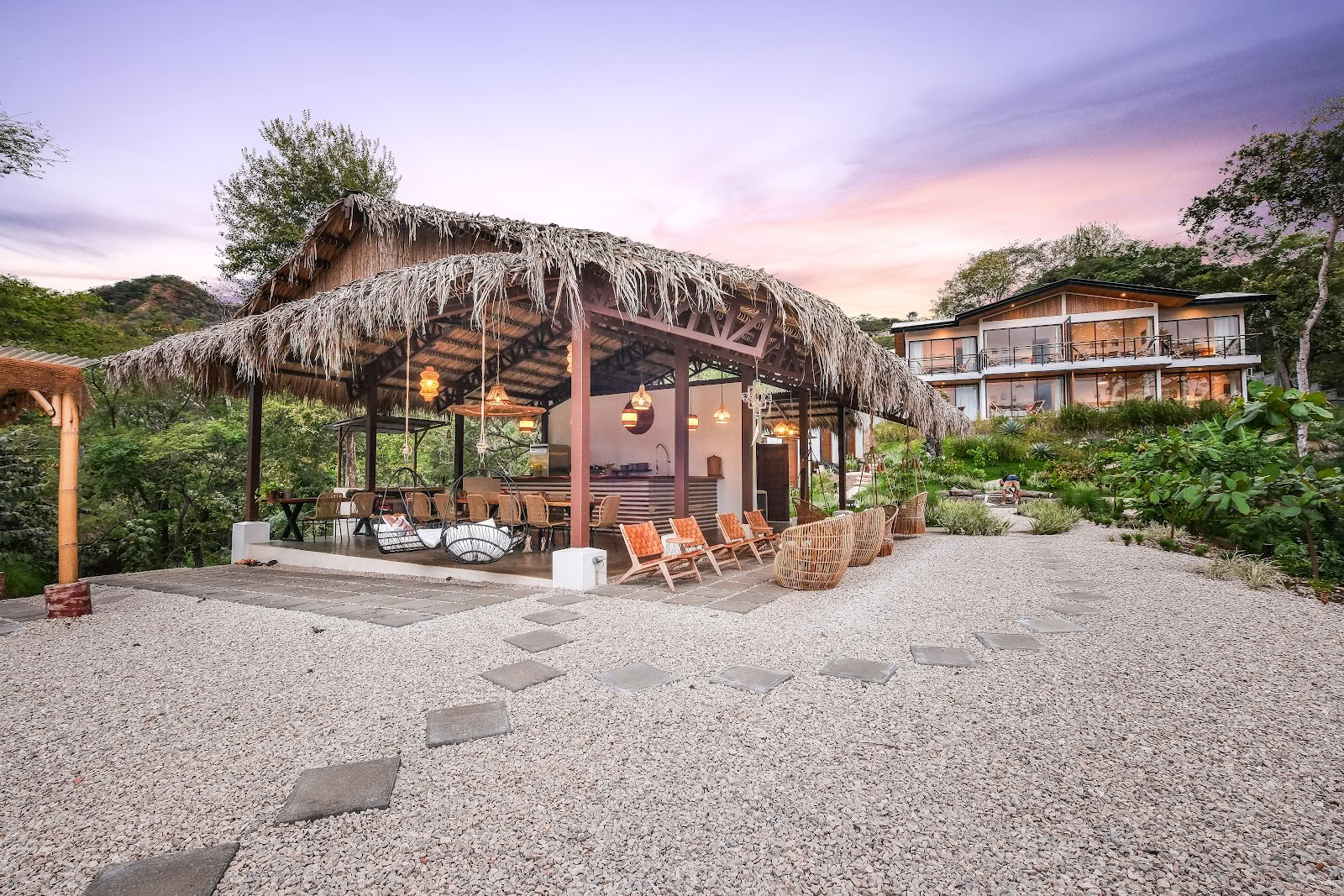
If psilocybin influences cellular aging, inflammation, and microbial balance, then the conditions surrounding ceremony matter even more. A medicine with this much potential biological impact deserves a body that has been prepared well to receive it. Sleep, nutrition, hydration, and reduced stress in the weeks before arrival are not only spiritual practices; they may shape how the medicine lands and how long its effects last. At Ananda Lodge, preparation begins weeks before guests arrive, creating the physiological and emotional conditions for the work to unfold as fully as possible.
If curiosity is pulling at you
Most people who come to Ananda for their first psilocybin retreat have been considering it for some time. They have read, watched, listened, and felt a quiet pull. The conversation around psilocybin and longevity may make that pull stronger. If that resonates, it may be worth paying attention. Ananda Lodge holds psilocybin retreats throughout the year in small groups of up to 10 guests, with deep preparation, somatic support, and three months of integration to help translate the experience into lasting change. The retreat is not only the medicine itself, but the container around it. That is what helps make the difference between something powerful and something that lasts.
Frequently Asked Questions
Ananda Lodge Costa Rica
Price
On request
Please contact the organizer directly for pricing information
Fri, Jul 10 – Sun, Jul 12