Vedic Hindu Marriage Ceremony Organizer in Rishikesh



Description
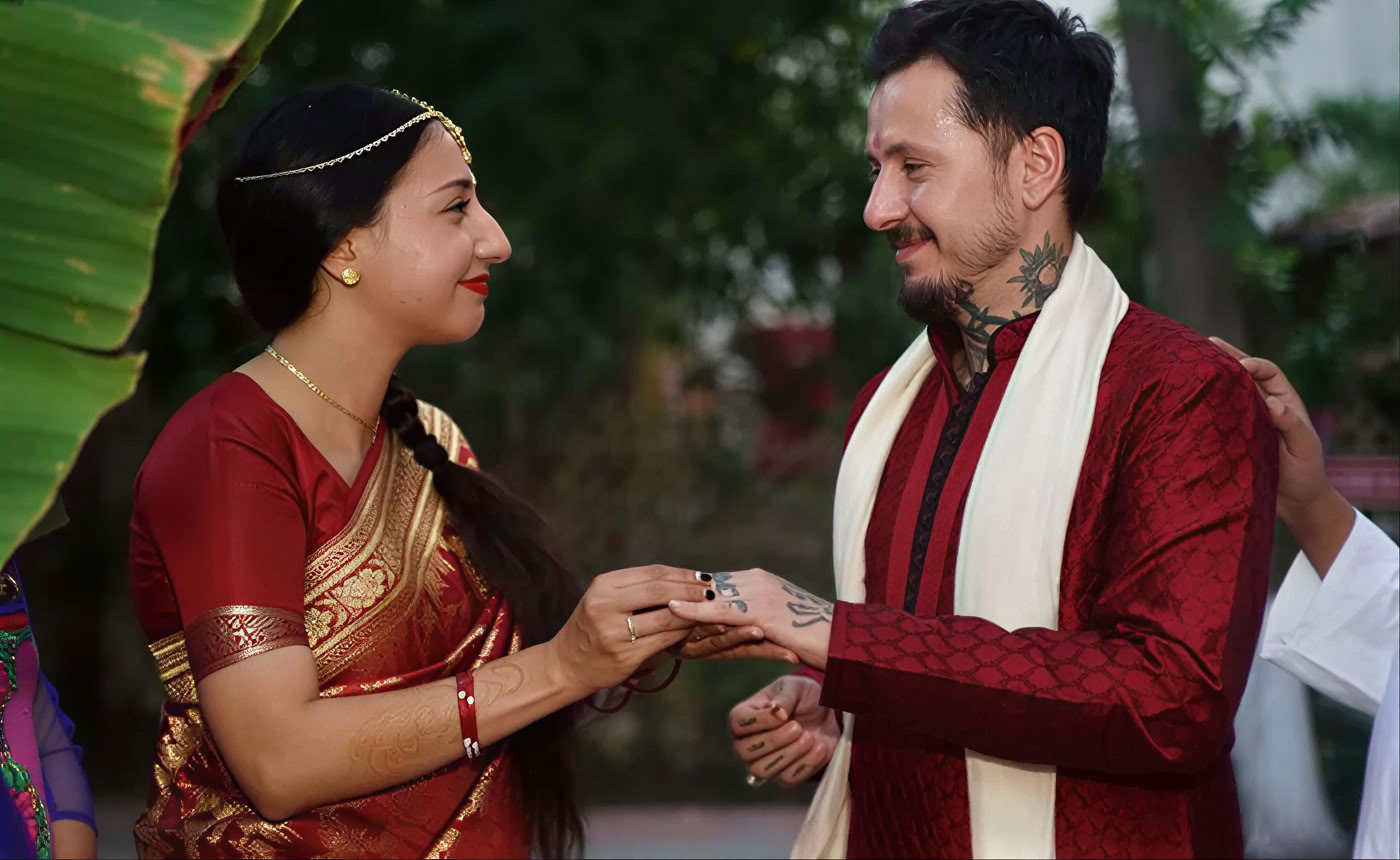
Traditional Hindu wedding ceremonies are arranged at Maa Yoga Ashram in India, offering couples an authentic and sacred experience in the holy city of Rishikesh.
The Hindu Wedding Ceremony
A Hindu wedding marks the beginning of married life, one of the most meaningful transitions in a person’s journey. It is a joyful celebration shared by family and friends, filled with warmth, devotion, and enthusiasm.
At Maa Yoga Ashram, we are dedicated to organizing and planning genuine Vedic Hindu marriage ceremonies with care and attention to detail. Our experienced event planners prepare every element of the celebration with professionalism and respect for tradition.
We also work with knowledgeable priests, or pandits, who conduct the traditional rituals, creating a ceremony that is both memorable and deeply meaningful for the couple and their families.
Hindu Wedding Ceremony Organizer in India
In Hinduism, marriage is regarded as a commitment grounded in ethical and moral values. According to Vedic scripture, it is the union of two souls until they become one harmonious whole.
It is also an important samskara, marking the passage from a life devoted to learning into a new stage centered on building a household and raising children. Marriage joins not only the bride and groom, but also their families across generations.
At Maa Yoga Ashram, we organize Vedic Hindu marriage ceremonies with the following sacred rituals to make the occasion auspicious.
Vara Satkaarah
This is the opening ritual, when the bride’s family welcomes the groom and his family. The bride’s mother greets the groom with a tilak made of sindoor paste and uncooked rice on his forehead as a blessing. The groom arrives at the venue in a wedding carriage carried by men.
Madhuparka Ceremony
In this ritual, the bride’s parents offer the groom a mixture of honey, curd, and ghee known as Madhuparka. It is a sign of respect and a blessing for lasting love and good health in married life.
Kanya Daan
Kanya Daan symbolizes the giving away of the daughter to the groom. During this part of the ceremony, the priest chants eight mantras from the Vedas to call upon the blessings of the gods as the parents entrust their daughter to her husband.
This ritual includes Homa, the sacred fire ceremony. The couple lights Agni, the holy fire that represents light, power, and knowledge, and serves as a witness to their marriage vows. Agni is also seen as a messenger carrying their prayers to God.
These blessings are for:
- Santati: Children
- Sampatti: Wealth and Prosperity
- Deergha Arogya: Long and Healthy Lives
The bride and groom also take part in Achaman and Angasparsha, purifying themselves during the ceremony.
Achaman And Angasparsha
These rituals are performed while specific mantras are chanted. In Achaman, the bride offers the groom a small amount of water to drink, a gesture believed to bring peace of mind.
Next comes Angasparsha, where the groom dips his middle and index fingers into water and touches his limbs, symbolizing a prayer for physical strength and alertness.
Pani-Grahanam
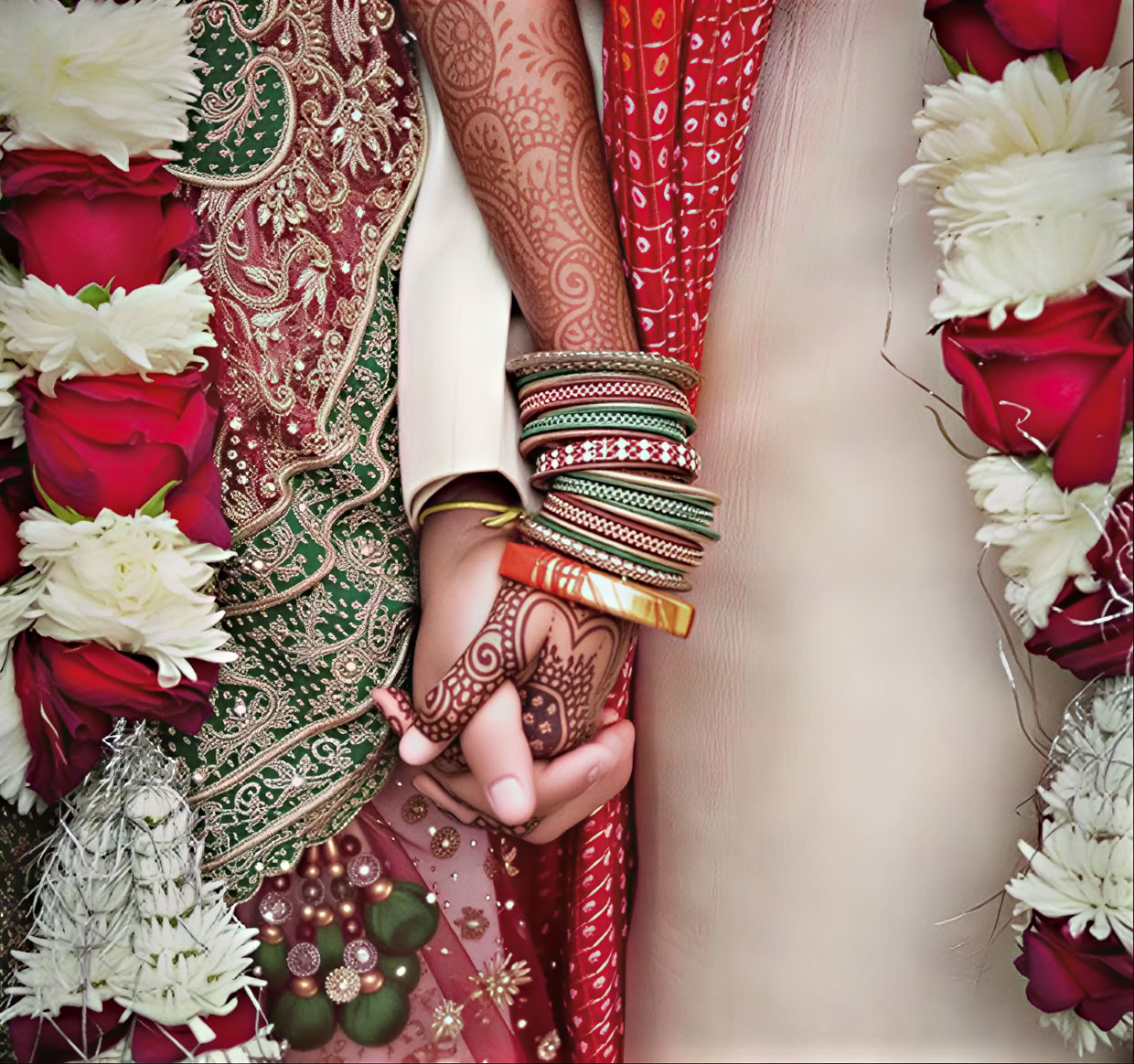
Here, the groom takes the bride’s hand in his, accepting her as his wife and promising to protect her and their future children. He also vows to live honestly, face challenges together, and build a happy life while pursuing their spiritual path.
Shila Arohan
During Shila Arohan, the bride steps onto a stone, symbolizing firmness and stability. The groom encourages her to remain strong and meet life’s challenges together. Friends and family shower the couple with rice and flowers.
Homa or Fire Ceremony
In this ritual, the couple makes offerings to the sacred fire. The bride’s brother places puffed rice in her hands as an offering to Agni, and the couple pours it into the fire while praying for blessings. This is repeated three times.
Agni Pradakshina
During this stage, the couple circles the sacred fire seven times, known as Saptapadi or the Seven Steps, honoring Agni, who is believed to become the bride’s guardian after the first fourteen years of her life.
The groom leads the bride for the first three rounds, asking for divine blessings and support. Together, they promise to care for their children. In the final round, the bride leads the groom around the fire, promising to live according to Dharma and Satya, devotion and truth.
At the end, they sit with the bride on the groom’s left. Agni Pradakshina, along with Saptapadi, confirms the marriage.
Saubhagya-Chinha
In this ritual, the husband places a sacred necklace around his wife’s neck, symbolizing happiness and prosperity. He then applies sindoor in the parting of her hair. The priest sprinkles water on the couple as they pray to the sun for a meaningful life. The newlyweds then meditate on the Pole Star and the Arundhati Star.
Ashirwad
The final stage is Ashirwad, when the priest and elders bless the newlywed couple. The bride’s parents then wish their daughter a long and harmonious married life. This marks the conclusion of the ceremony, as the bride officially leaves her parents’ home to begin a new life with her husband.
Teachers
Maa Yoga Ashram - Ayurvedic Retreat & Treatment Centre
Place
Aamkhala, Badrinath Rd, Tapovan, Rishikesh, Uttarakhand 249192, India
Rishikesh
Place map
Contact Information
Price
On request
Please contact the organizer directly for pricing information