• Home
  • /
  • Events
  • /
  • Sivananda Yoga Health Educator Training (SYHET) – Module 1

Sivananda Yoga Health Educator Training (SYHET) – Module 1

Sivananda Yoga Health Educator Training (SYHET) – Module 1
1/11
Sivananda Yoga Health Educator Training (SYHET) – Module 1
+6

Description

Going to the root causes of illness and supporting others on their path to self-healing

Overview

Over the full 800-hour professional training, students gain a strong understanding of how the Five Points of Yoga and the Four Paths of Yoga can be applied in a therapeutic context.

The aim of the Sivananda Yoga Health Educator is to help participants support their own healing through asana, pranayama, conscious relaxation, a vegetarian diet, positive thinking practices, and meditation.

Throughout the program, students build practical skills, foundational concepts, and philosophical knowledge that prepare them for more advanced study. Special attention is given to the subtler causes of disease and stress in the individual.

The training addresses a wide range of common conditions, including respiratory disorders, cardiovascular concerns, diabetes, autoimmune disorders, musculoskeletal issues, and mental health challenges such as depression, anxiety, and trauma.

Curriculum topics include yoga psychology, the therapeutic benefits of meditation, the theory of karma and disease, counseling methods rooted in the Vedic sciences, Ayurveda psychology, and the deeper causes of addiction and behavior patterns. By the end of the training, the Yoga Health Educator is equipped with both knowledge and intuitive capacity to serve as a positive instrument of healing.

Who can benefit from this training

  • Yoga teachers
  • Health care providers
  • Hospitals
  • Acupuncture clinics
  • Physical therapist and chiropractor offices
  • Social workers
  • At-risk youth facilities
  • Psychologists
  • Therapists
  • Counselors
  • Nurses
  • Life coaches
  • Corporate wellness programs
  • Anyone with a sincere passion for health and well-being

Practicum

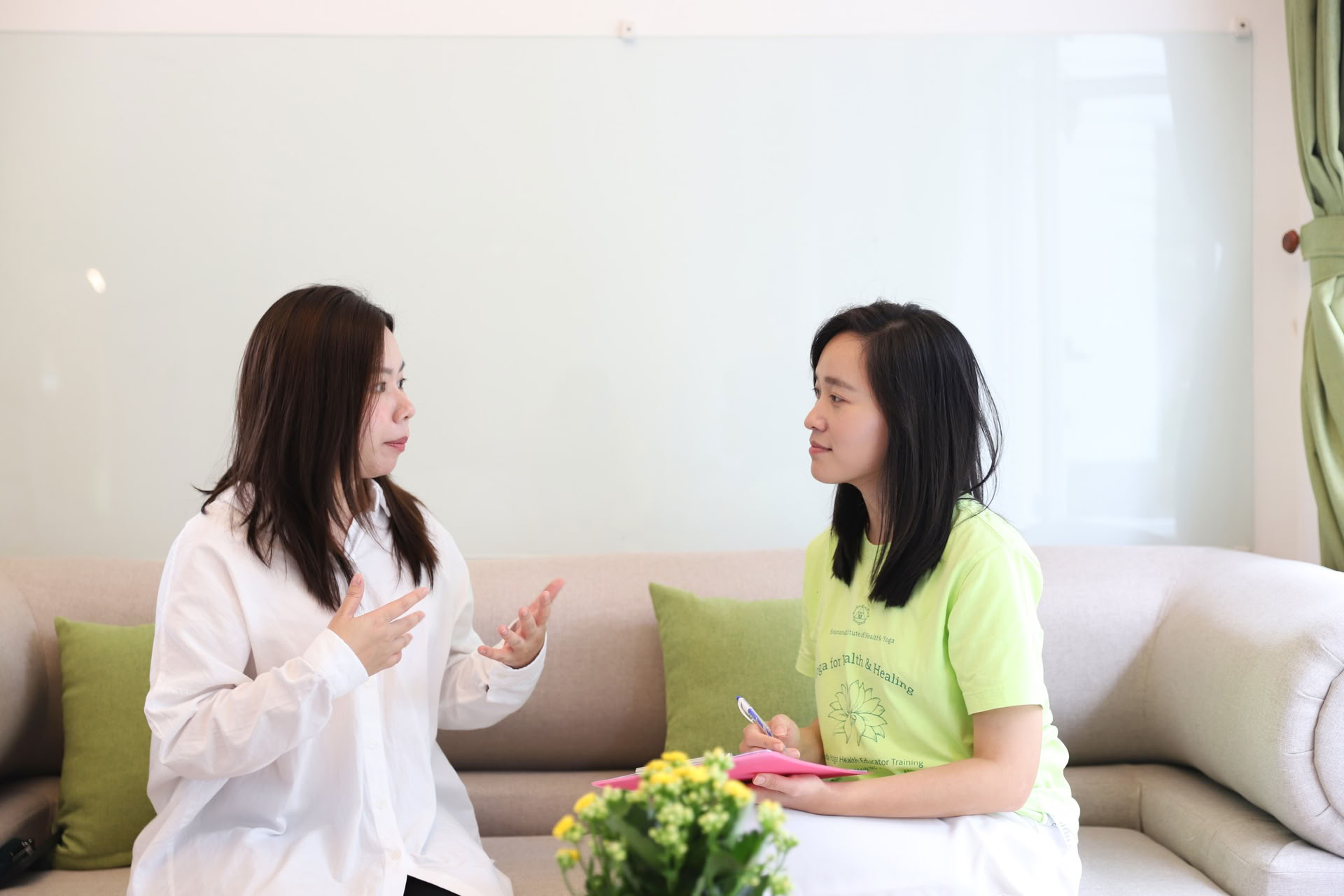
As part of the Practicum Program, and under the supervision of an assigned Mentor, the Yoga Health Educator meets with participants in one-on-one Yoga Health Consultation sessions, both observed and unobserved.

Participants are assessed through intake and evaluation, individualized protocols are developed to meet their needs, and documentation is prepared for each case.

Follow-up, reassessment, and the adjustment of protocols to reflect changing goals and needs are essential parts of the practicum and the Yoga Health Educator’s work.

Therapeutic application of Yoga

Students are trained in the therapeutic use of Yoga techniques that have shown positive effects in the following areas:

  • Psychological and nervous system disorders
  • Psychosomatic conditions, sleep disorders, anxiety, insomnia, depression, stress, trauma (PTSD), addiction, and chronic pain
  • Health and lifestyle: daily routines, diet, and nutrition
  • Cardiovascular conditions: hypertension and heart disease
  • Metabolic conditions: diabetes, obesity, autoimmune disorders, and chronic fatigue
  • Respiratory disorders: asthma and improper breathing
  • Musculoskeletal conditions: back health, spine issues, rheumatoid arthritis, osteoporosis, balance concerns, and reduced mobility or stiffness linked to age or a sedentary modern lifestyle
  • Special populations: seniors and aging, multiple sclerosis, palliative care, and recovery after surgery or injury
  • Lack of self-discipline, self-care, and uncertainty about life’s meaning

Curriculum

The training follows the current educational standards of the International Association of Yoga Therapists (IAYT).

Module 1 Overview

  • Yoga philosophy on consciousness and the Self
  • Yoga psychology (Raja Yoga) and meditation
  • The mind and its mechanics
  • Five modes of mind and concentration
  • Three levels of mind and the evolution of consciousness
  • Inborn karmic tendencies and the subconscious
  • Karma, dharma, and relationships
  • Emotional healing: anger, fear, anxiety, depression, desire, addiction, grief, attachment, and stress resilience
  • Guidelines for mental health
  • Positive thinking techniques according to the four classical paths of Yoga
  • Purification: going to the root cause of suffering
  • Yoga effects on specific conditions

Module 2 Overview

  • Physiology of the stress response and relaxation response
  • Five causes of stress and how Yoga helps; health and lifestyle
  • Ayurveda foundations: doshas, ama, prana, and vayus
  • Sun/moon balance
  • From inborn constitution to acquired constitution: prakriti to vikriti
  • Detoxification
  • Nutrition and the fire of digestion
  • Five layers of healing
  • Biomedical and psychological foundations: anatomy and physiology
  • Illness processes and categories / medical terminology
  • Group teaching to individual therapy cases

Module 3 Overview

  • How to conduct intake and assessment
  • How to develop protocols as part of a Plan of Care, individually or in groups
  • How to conduct follow-up
  • How to adapt protocols to changing client needs
  • Knowledge of common ailments and Yoga therapies used to address them
  • Scope of practice of the Yoga Health Educator
  • Knowing when to refer a client to a health professional
  • Managing and working with groups
  • Group dynamics in the therapeutic relationship

Distance learning

Online sessions are recorded and, with advance permission, may be used in place of real-time participation. Instructors are subject to change without notice.

Over more than one year, students continue studying anatomy and physiology, along with Ayurveda topics such as daily routine, seasonal adaptation, Ayurvedic nutrition, herbs, and therapies.

The program also includes in-depth teaching on the psychological causes of addiction and holistic strategies for working with addictions and self-destructive behaviors.

In the final distance learning sessions, students revisit the foundations of the therapeutic relationship, the ethical principles of a Yoga Health Educator, and the legal and business aspects of Yoga Health Education.

Dates and tuition

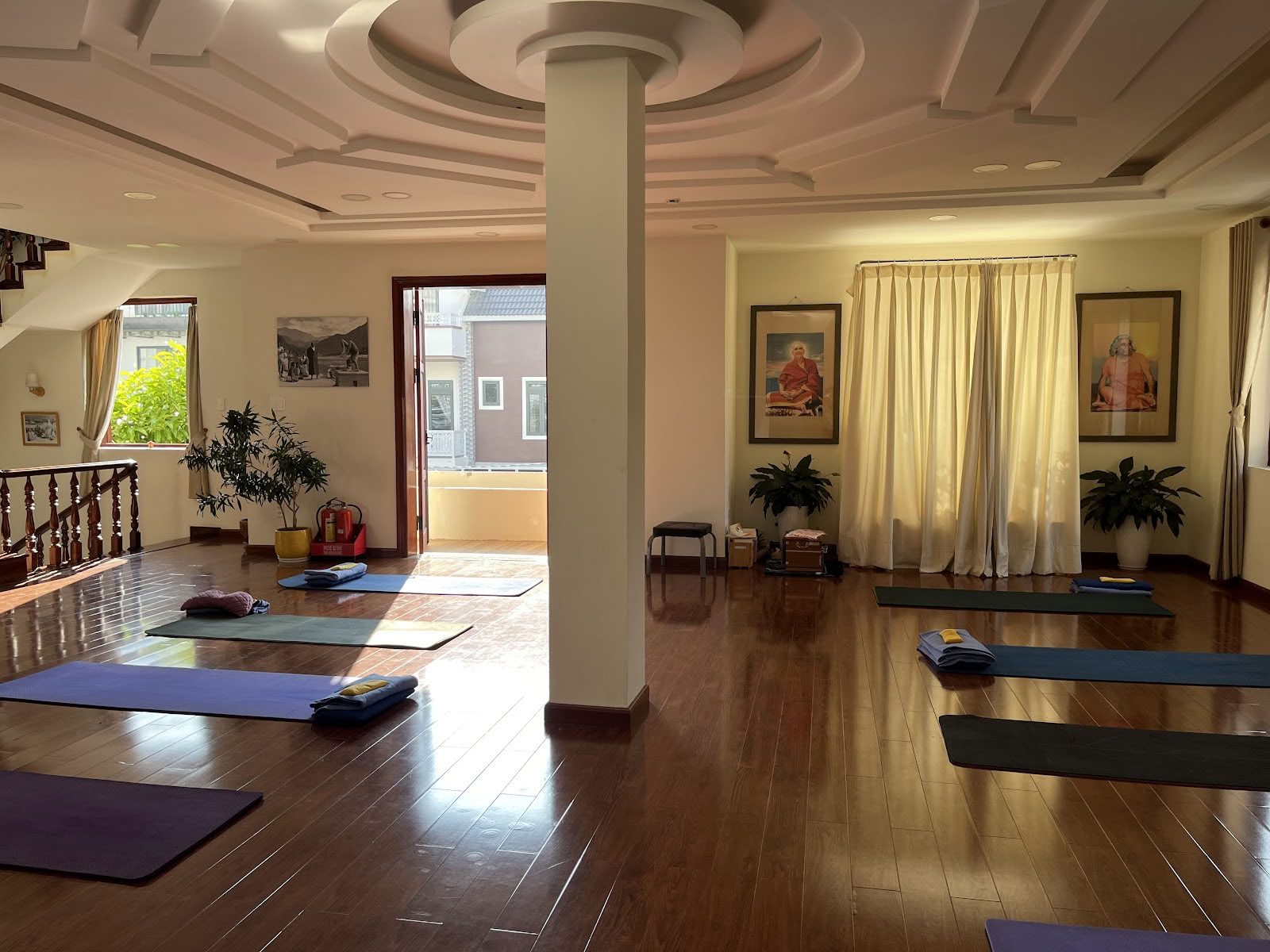
The two-year program meets three times for 15-day intensives at the Sivananda Yoga Resort in Da Lat, Vietnam. Each intensive includes self-study materials with assignments based on the program’s concepts and their application.

  • Module 1: January 8 – 24, 2026 — Ayurveda and Healing; Disease Process, Management and Prevention
  • Module 2: April 14 – 30, 2026 — Yoga and the Mind, Psychology and Mental Health
  • Module 3: October 1 – 17, 2026 — Yoga Health Techniques: Therapeutic Application of Asana, Pranayama, and Relaxation
  • Module 4: Online Anatomy, Physiology and Pathology / Biomedical Foundations
  • Practicum: Applied Yoga Health techniques for educating individuals and groups under mentor guidance in a medical clinic or yoga center

2-Year Program Prices

  • Shared 4-person room: $10,535
  • Shared 2-person room: $11,975
  • Single room: $12,983

A $1,000 deposit is required on the application date, and the full balance must be paid before the start of the first module. An installment payment plan is available, allowing payment to be completed one year after the start date. A 10% Early Bird discount is available for those who sign up by April 30, 2023.

Requirements

Completion of an approved 200-hour Yoga Teacher Training Course is required before enrolling in the Yoga Health Educator Training.

To meet the program competencies, students must successfully complete the four designated Sivananda Yoga Health Educator modules and 250 practicum hours under mentorship.

Teachers

O

Organization

S

Swami Sitaramananda

Place

Sivananda Yoga Vedanta Center Dalat

B2-11 Khu Quy Hoạch Golf Valley, Phường 2, Xuân Hương - Đà Lạt, Lâm Đồng 96309, Vietnam

Xuân Hương - Đà Lạt

5.0(42 reviews on Google)

Place map

Loading map...

Categories

WorkshopsEducational workshopRetreatsYoga retreatHealth retreatEvents in Xuân Hương - Đà LạtEvents in Virgin Islands (US)Workshops in Virgin Islands (US)Workshops in Xuân Hương - Đà LạtEducational workshop in Virgin Islands (US)Educational workshop in Xuân Hương - Đà LạtRetreats in Virgin Islands (US)Retreats in Xuân Hương - Đà LạtYoga retreat in Virgin Islands (US)Yoga retreat in Xuân Hương - Đà LạtHealth retreat in Virgin Islands (US)Health retreat in Xuân Hương - Đà Lạt

Contact Information

Price

$10,535.00

Select your date