Reiki Healing
Description
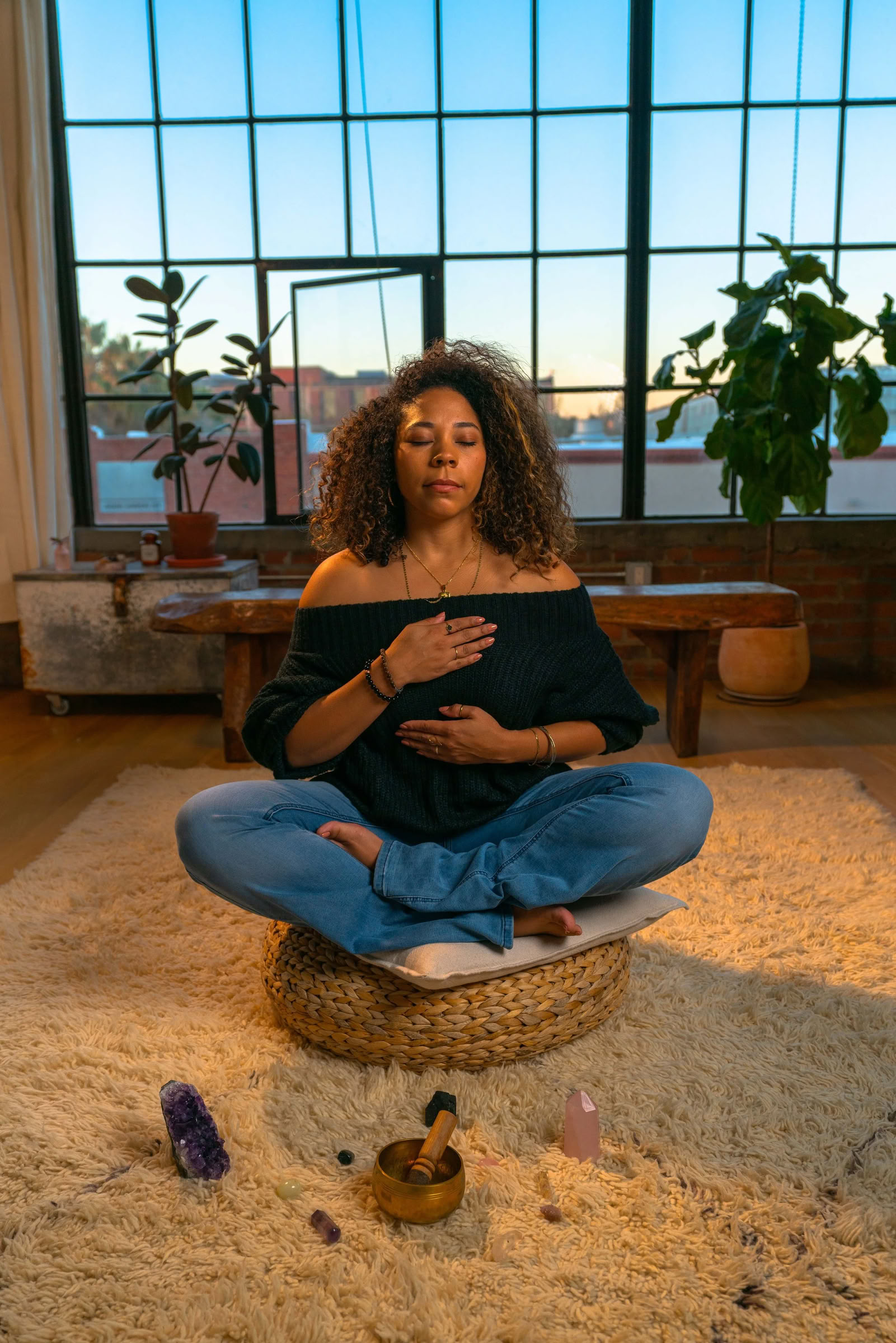
This session explores what Reiki is and why it is often described as such a powerful support for trauma and healing in the body.
Reiki is designed to work with the whole person, bringing mind and body into a more balanced state. It is based on the idea that the human body carries electrical and magnetic fields: the heartbeat is regulated by an electrical field, the brain generates its own lower-level electrical activity, and every cell contributes to the body’s overall magnetic field. Even MRI imaging relies on this magnetic activity to create pictures of soft tissue.
In a Reiki session, the practitioner does not “fix” the client or force healing. Instead, they act as a channel, helping energy move through the body and supporting the release of blockages or areas where energy feels stuck. Many people leave feeling deeply relaxed, lighter, and less tense.
Reiki Q&A
Q: What is Reiki?
A: Reiki is a Japanese form of energy healing that channels universal life force energy through the practitioner’s hands to the recipient. It is used to encourage relaxation, balance, and overall well-being, while supporting physical, emotional, and spiritual healing.
Q: How does Reiki work?
A: Reiki works by directing universal life force energy, sometimes called “ki” or “chi,” into the recipient’s energy field. This may help balance the body’s energy centers, or chakras, and ease energetic blockages that can affect well-being on multiple levels.
Q: What can I expect during a Reiki session?
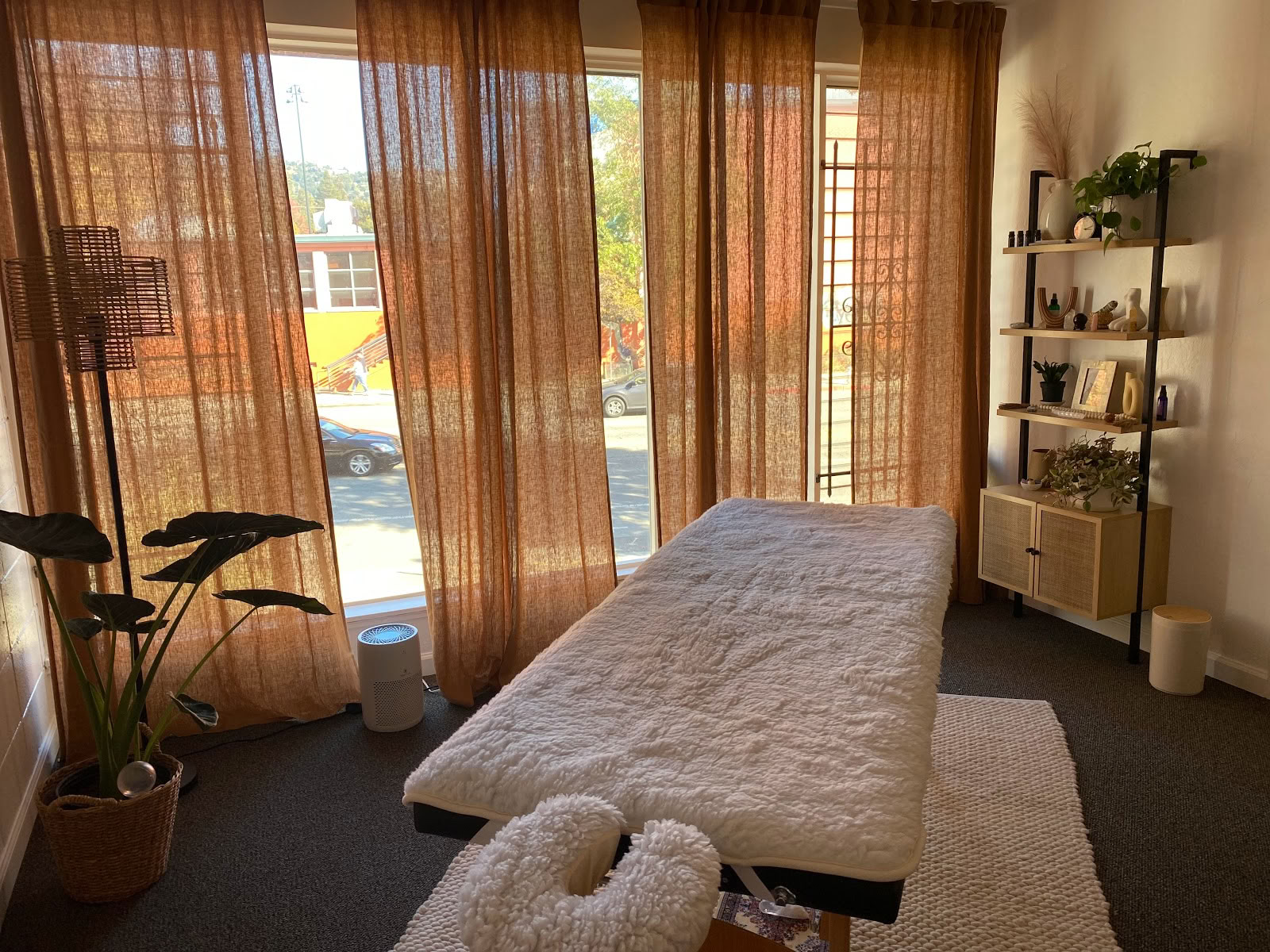
A: You will usually lie on a massage table or sit comfortably in a chair, fully clothed. The practitioner places their hands gently on or just above different areas of the body, allowing the energy to flow. Sensations may include warmth, tingling, or a deep sense of calm.
Q: Is Reiki safe?
A: Yes. Reiki is considered a safe, non-invasive complementary therapy. It does not involve physical manipulation or substances, and it can be suitable for people of all ages and conditions. It is meant to complement, not replace, conventional medical care.
Q: How many Reiki sessions will I need?
A: This depends on the individual. Some people notice benefits after one session, while others choose ongoing sessions as part of their healing journey. A practitioner can help guide you based on your needs and goals.
Q: Can Reiki be used alongside other therapies?
A: Yes. Reiki can be combined with conventional medical treatments, psychotherapy, acupuncture, massage, and other complementary therapies. It may offer additional support for the body, mind, and spirit.
Q: Can anyone learn to practice Reiki?
A: Yes. Reiki can be learned by people of any age or background. The ability is passed from teacher to student through attunement, which opens the student’s energy channels. Training begins with Level I, focused on self-healing and basic hands-on techniques.
Research over the past two decades has suggested that Reiki may help reduce some of the negative side effects of chemotherapy, improve surgical outcomes, support the autonomic nervous system, and ease physical and emotional pain connected with illness.
Studies have also shown evidence that Reiki may be more effective than placebo in creating a physically relaxed state. It has been associated with a lower resting heart rate, increased heart rate variability, and reduced blood pressure.
Additional studies suggest that weekly Reiki sessions over up to 8 weeks may help people living with chronic conditions by reducing anxiety and depression, while improving self-esteem and quality of life.
Teachers
Adriana
Place
Place map
Categories
Contact Information
Price
On request
Please contact the organizer directly for pricing information
Date
Dates to be confirmed
Contact the organizer for available dates