

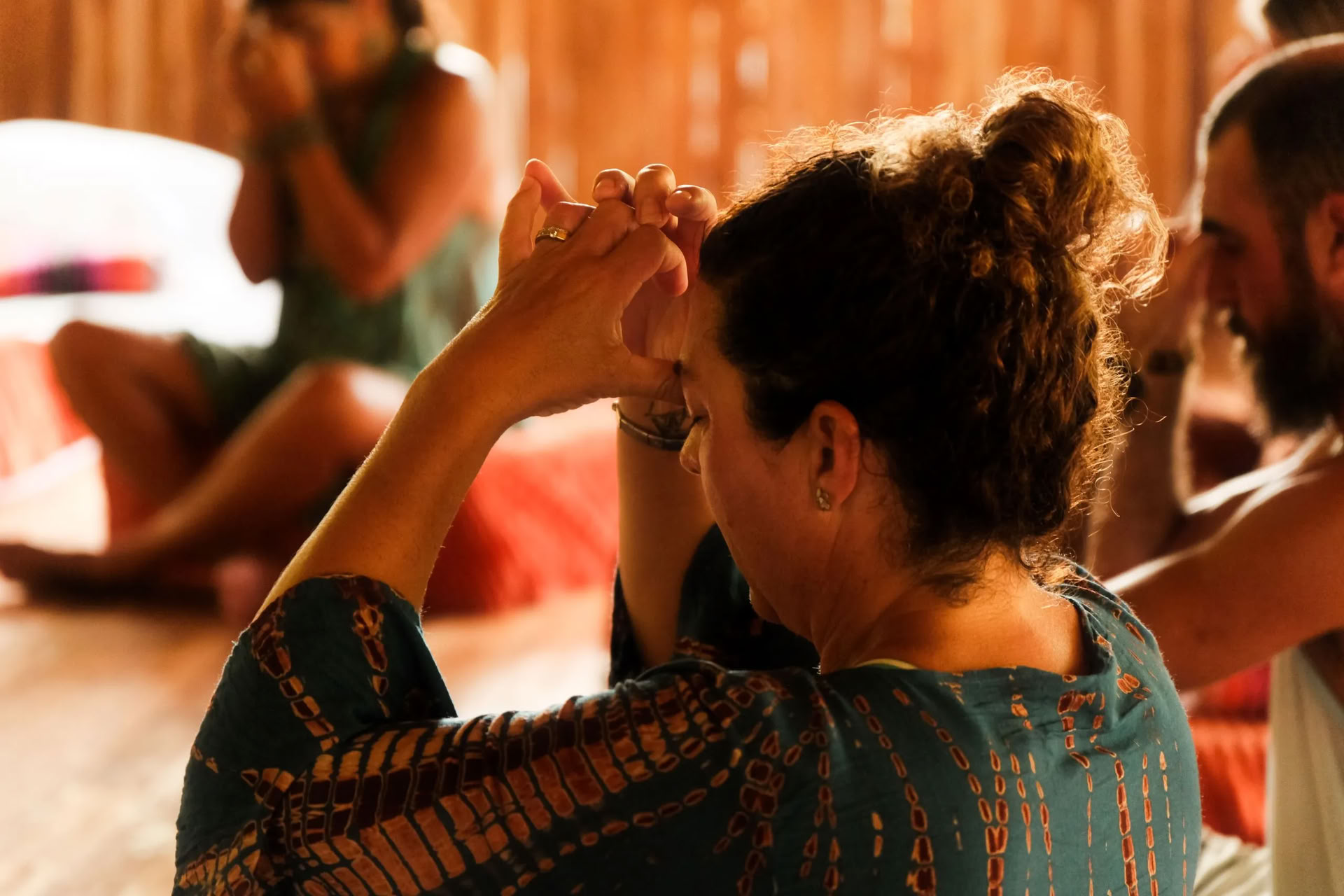


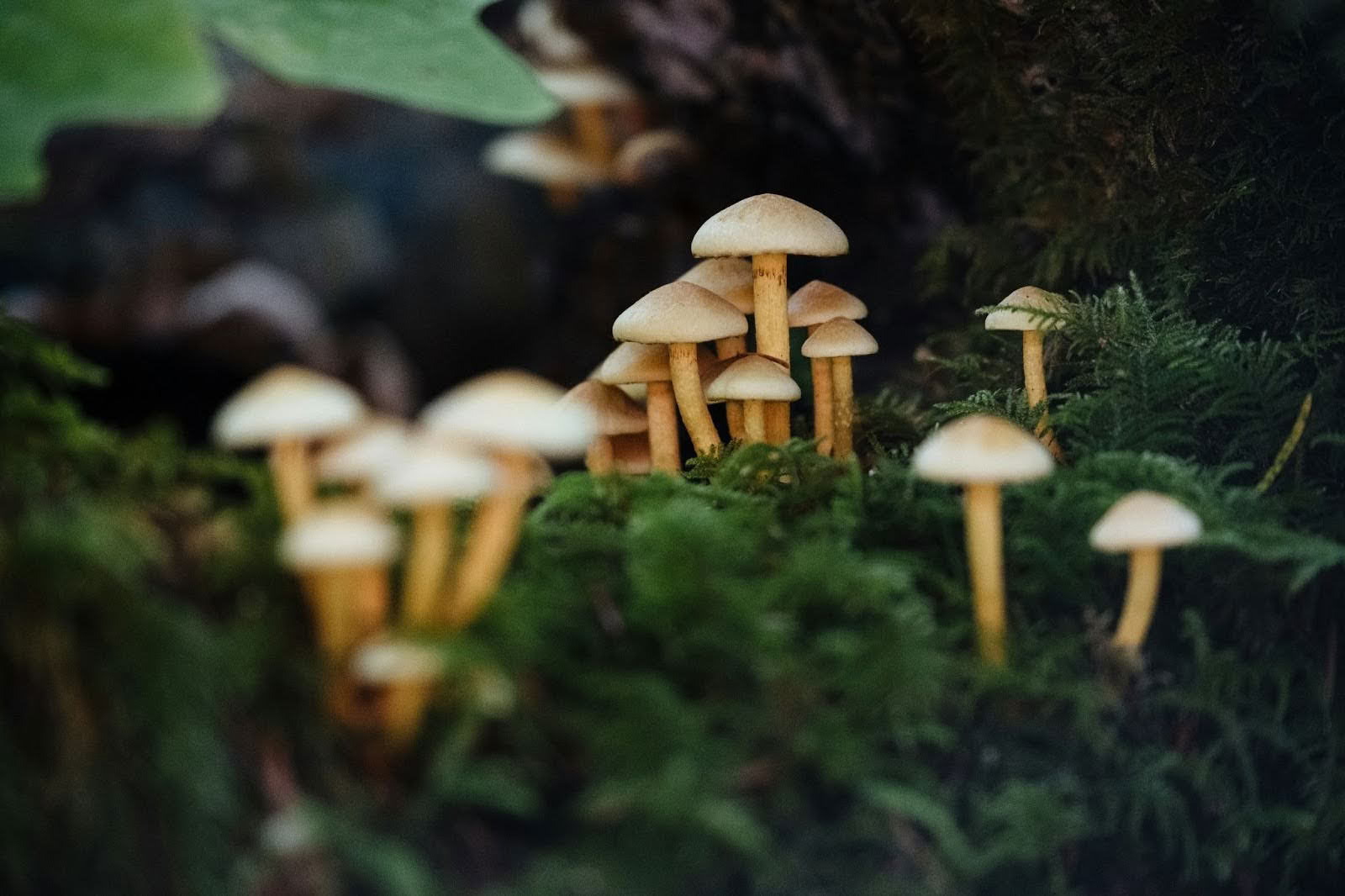


For thousands of years, people have gathered with mushrooms in ceremony sensing that the effects reach far beyond thought alone. Something shifts in the body. You return differently. And now, science is beginning to explore what many have long understood intuitively: psilocybin may influence not only consciousness, but the deeper systems that shape health and aging.
In July 2025, a peer-reviewed study in npj Aging, part of the Nature portfolio, offered the first experimental evidence that psilocybin may extend cellular lifespan and improve survival in aged mice. In a separate self-experiment, biohacker Bryan Johnson tracked 249 biomarkers across two ceremonial doses and reported a drop of more than 35% in systemic inflammation, measurable microbiome changes, and brain patterns linked to greater flexibility and less rumination. These are very different kinds of evidence, yet together they point to the same possibility: psilocybin may be affecting the body at a level deeper than psychology alone.
The 2025 study found that psilocin, the active metabolite of psilocybin, extended the lifespan of human cells by 29% at a 10 micromolar dose and by 57% at 100 micromolar. In aged mice, psilocybin also improved survival. Researchers from Baylor College of Medicine and Emory University used a validated model of cellular aging called replicative senescence, showing that treated cells retained their ability to divide longer than untreated cells. They aged more slowly without becoming cancerous.
The researchers proposed psilocybin as a potential “geroprotective agent,” meaning a compound that may protect against the cellular processes of aging. Their work also connects to the psilocybin-telomere hypothesis, which suggests psilocybin may help preserve telomere length, especially since chronic stress, depression, and anxiety are all associated with telomere shortening. This was the first experimental test of that idea, and the findings supported it.
Johnson’s results, while not peer-reviewed, add another layer to the picture. After two doses spaced one month apart, he reported improvements across mental, hormonal, metabolic, and anti-inflammatory systems. His inflammation moved from “elite” levels to undetectable. His microbiome shifted in ways he described as dramatic. Brain scans showed reduced prefrontal and command-network activity during the experience, followed by increased connectivity and cognitive flexibility afterward.
What makes his data especially notable is that he began from an unusually optimized baseline. Even with a near-perfect diet, daily exercise, eight hours of sleep, and rigorous tracking, psilocybin still produced multi-system changes that his other practices had not. It does not prove anything definitive, but it does suggest this medicine may reach layers of biology that lifestyle alone may not touch.
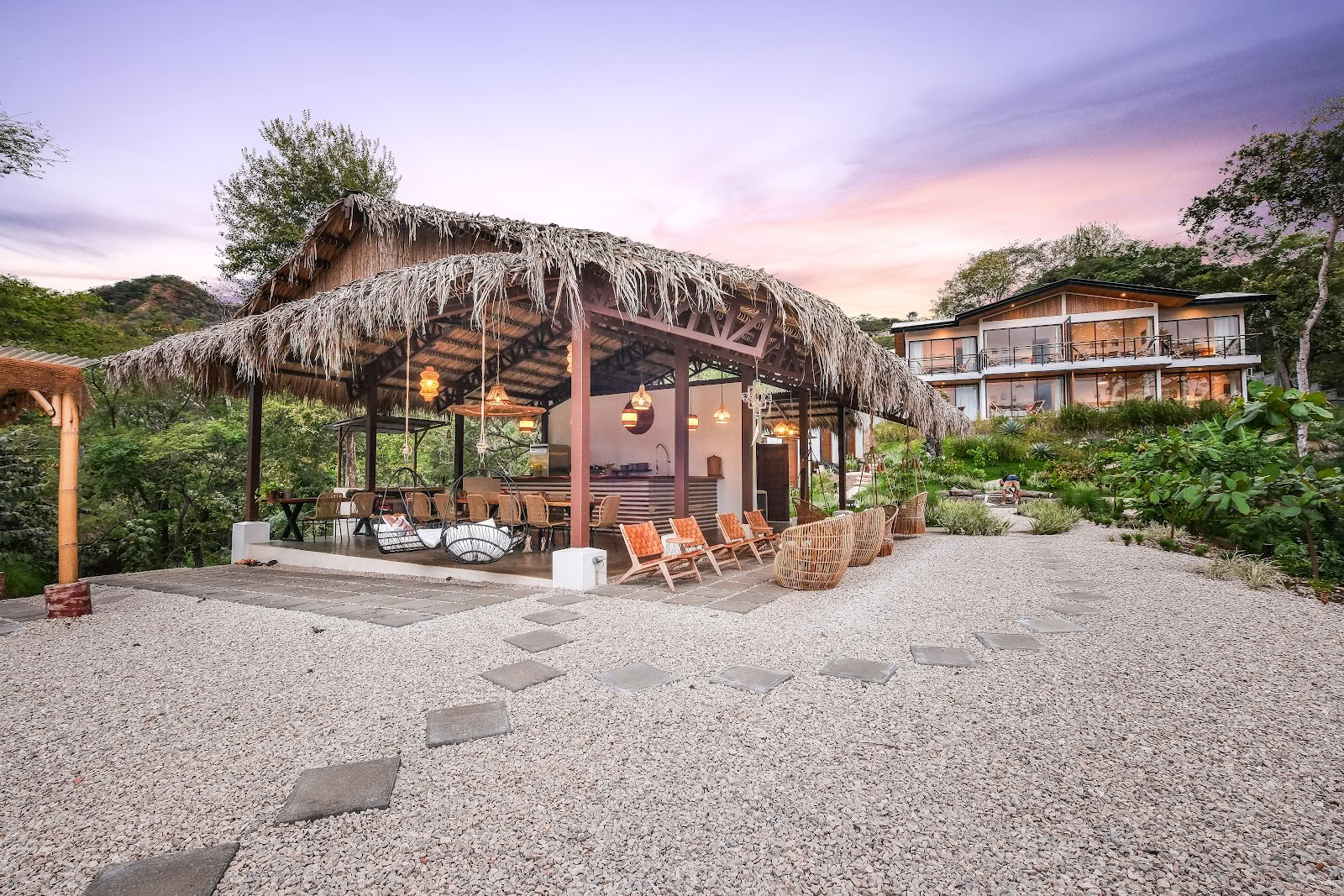
If psilocybin is influencing inflammation, microbial balance, and cellular aging, then the conditions around ceremony matter even more. Sleep, nutrition, hydration, and reduced stress in the weeks before arrival are not just supportive habits; they help create the physiological conditions for the medicine to land well. At Ananda Lodge, preparation begins weeks before guests arrive, with the intention of giving the medicine the best possible environment to do its work.
Many guests arrive after quietly feeling the pull toward a psilocybin retreat for some time. They may have read, watched, listened, and reflected. This 8-day women’s immersion offers a small-group setting with a maximum of 10 guests, deep preparation, somatic support, and three months of integration so the experience can translate into lasting change.
Frequently Asked Questions
Ananda Lodge Costa Rica
Price
On request
Please contact the organizer directly for pricing information
Sat, Sep 5 – Sat, Sep 12