Embodied Sovereignty | A Women's Only San Pedro Retreat




Description
For centuries, people who worked with mushrooms in ceremony understood something that science is only now beginning to measure: the experience is not only mental. It is embodied. What shifts during the night often continues long after, shaping the way a person carries themselves, regulates stress, and meets life afterward. Recent research is adding weight to that intuition. A 2025 peer-reviewed study published in npj Aging, part of the Nature portfolio, found that psilocin, the active metabolite of psilocybin, extended the lifespan of human cells and improved survival in aged mice. Around the same time, biohacker Bryan Johnson conducted a highly quantified self-experiment involving two ceremonial psilocybin doses and 249 biomarkers, reporting measurable changes in inflammation, microbiome balance, and brain activity.
What the research suggests
In the Nature study, human cells exposed to psilocin lived longer than untreated cells, with lifespan extended by 29% at one dose and 57% at a higher dose. In aged mice, psilocybin was linked to better survival rates. Researchers proposed that psilocybin may act as a “geroprotective agent,” meaning it could help protect against the biological processes of aging. The findings also offered the first experimental support for the psilocybin-telomere hypothesis, which suggests this medicine may help preserve telomere length, especially since chronic stress, anxiety, and depression are associated with telomere shortening.
Why the biomarker data matters
Johnson’s self-experiment was not peer-reviewed, but it was striking in scope. After two doses spaced a month apart, he reported broad improvements across mental, hormonal, metabolic, and anti-inflammatory systems. His systemic inflammation dropped by more than 35%, moving from “elite” levels to undetectable. His microbiome changed in measurable ways, and his brain scans showed patterns of greater flexibility and reduced rumination that lasted beyond the experience itself. What makes this notable is that his baseline was already unusually optimized through diet, exercise, sleep, and meticulous tracking. Even so, psilocybin appeared to create shifts that his other interventions had not.
Why this matters for ceremony
Taken together, these findings suggest psilocybin may be working at a deeper level than mood or perception alone. The story is not only about consciousness. It may also involve cellular aging, inflammation, mitochondrial function, and the gut microbiome. For many people who have sat with this medicine, that will feel familiar: the body softens, the system settles, and something that has been running too hot begins to come down. While human lifespan claims remain unproven, the picture of what psilocybin may do is clearly expanding.
The container
If psilocybin affects the body this deeply, the conditions around ceremony matter even more. Sleep, nutrition, hydration, and reduced stress in the weeks before arrival are not just supportive habits; they help create the physiological conditions for the work to land well. At Ananda Lodge, preparation begins weeks before guests arrive, with the intention of giving the medicine the best possible setting to do its work.
Embodied Sovereignty | A Women’s Only San Pedro Retreat
Many women who come to their first retreat have already been feeling the pull for some time. They have read, listened, reflected, and sensed that something is asking for attention. This women’s only San Pedro retreat offers a small-group container of maximum 10 guests, with deep preparation, somatic support, and three months of integration designed to help the experience translate into real life change. The retreat is not only the ceremony itself; it is the support around it that helps what opens in the medicine continue to unfold afterward.
Frequently Asked Questions
- Does psilocybin extend lifespan? A 2025 peer-reviewed study in npj Aging found that psilocybin extended cellular lifespan in human cells by 29% to 57%, depending on dose, and improved survival in aged mice. This is early evidence and has not been replicated in humans.
- What did Bryan Johnson’s psilocybin experiment find? In a 2026 self-experiment tracking 249 biomarkers, Johnson reported improvements across mental, hormonal, metabolic, and anti-inflammatory systems after two doses of psilocybin.
- What is the psilocybin-telomere hypothesis? It proposes that psilocybin may help protect telomeres, the chromosome caps that shorten with age and stress.
- Is psilocybin safe? Psilocybin has a well-established safety profile when used with proper screening and facilitation. At Ananda Lodge, every guest is carefully assessed during intake.
Teachers
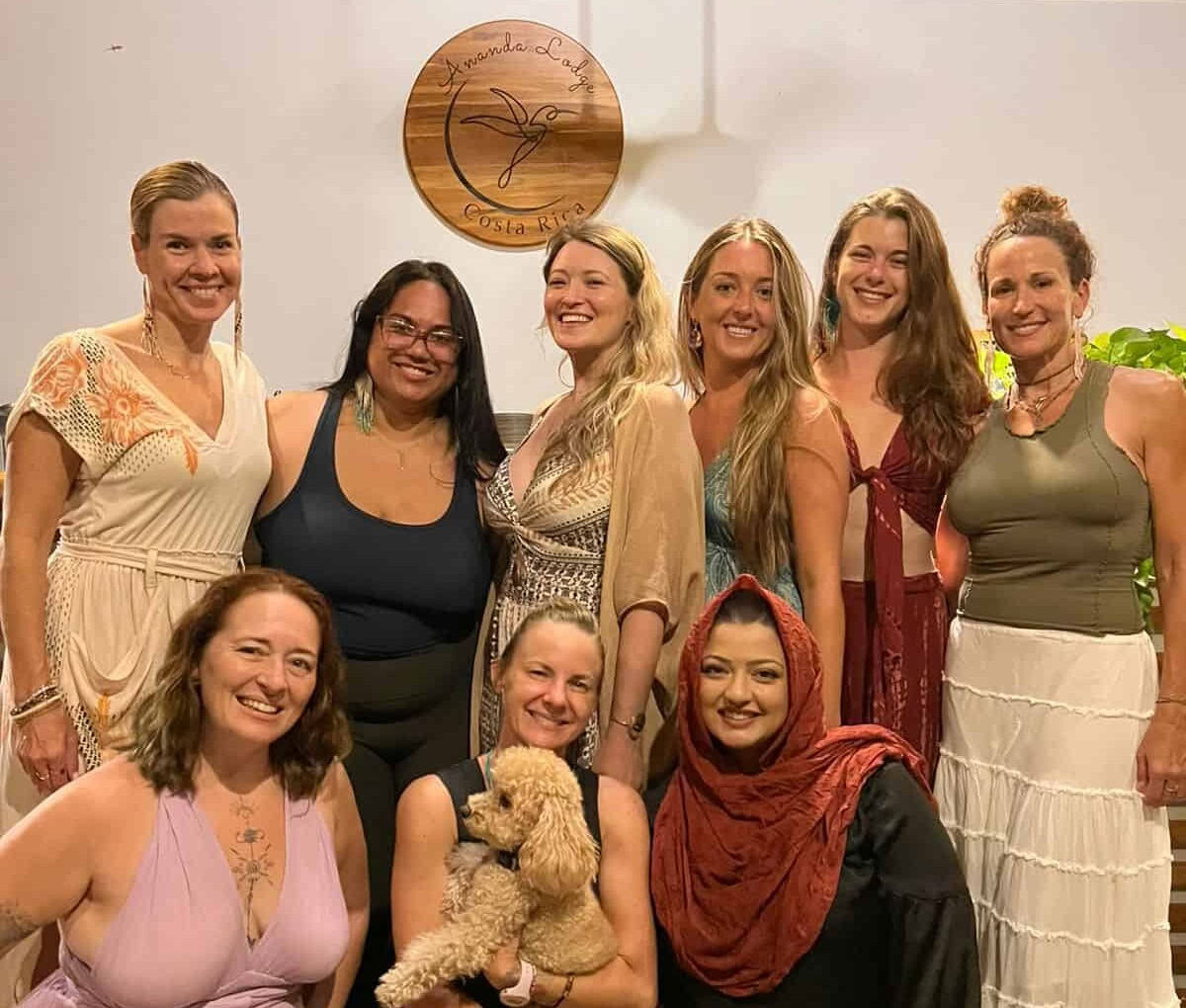
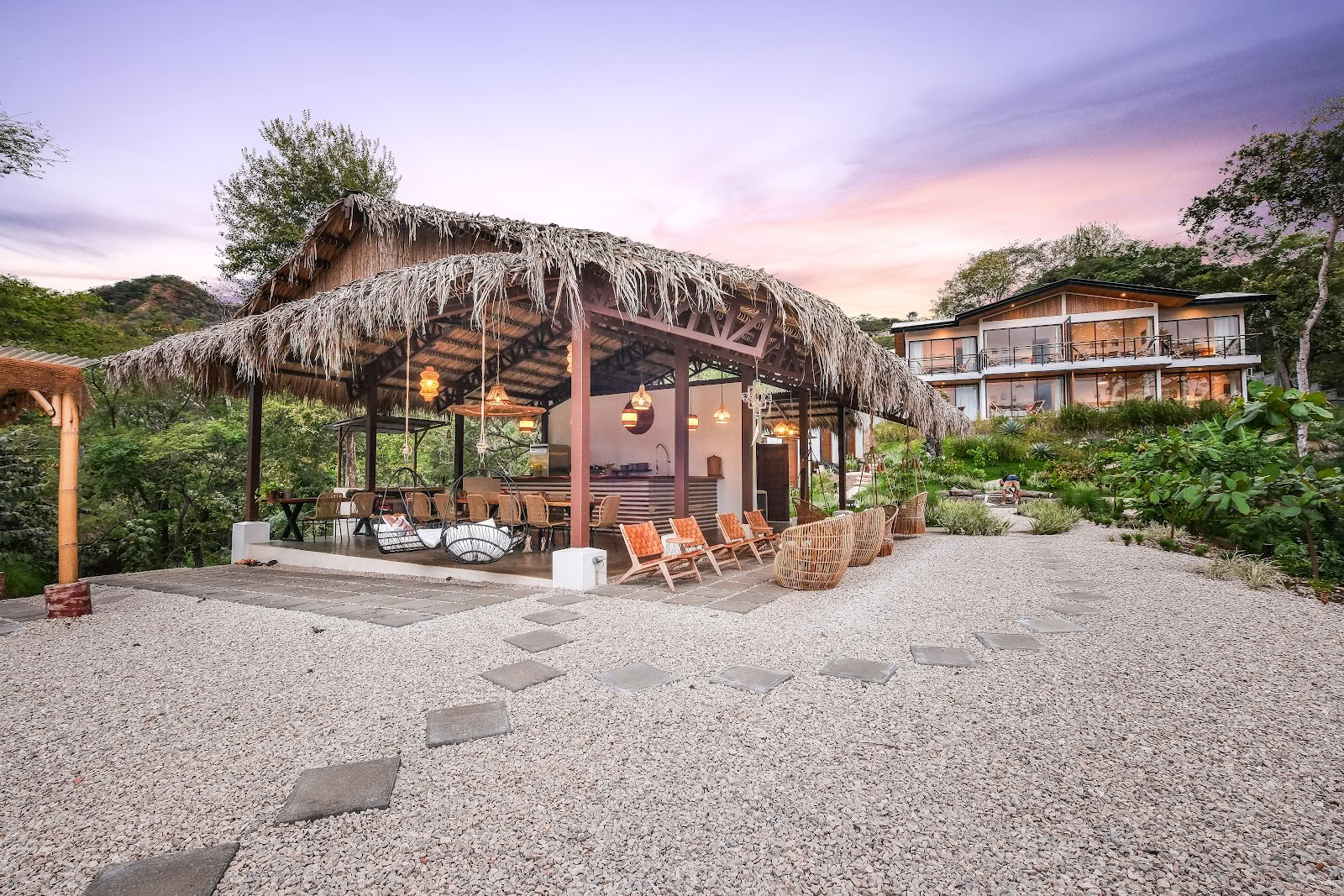
Ananda Lodge Costa Rica
Place
Place map
Categories
Contact Information
Price
On request
Please contact the organizer directly for pricing information
Sat, Jan 9 – Sat, Jan 16