Ayurvedic Treatment for IBD



Description
Explore an Ayurvedic approach to inflammatory bowel disease, with care that looks beyond symptoms to the deeper patterns behind digestive imbalance.
Nidhana & Samprapthi
From an Ayurvedic perspective, Grahani is linked to the aggravation of vata and pitta doshas. The build-up of toxins, or ama, may also contribute to the condition. Excessive spicy or oily foods, irregular eating habits, and ongoing stress can further intensify the disease process.
Management
Core treatment principles include Nidhana Parivarchana, Agni Deepana, Grahithwam, attention to psychosocial concerns, and support for self-management.
Inflammatory Bowel Disease [IBD]
What is IBD?
Inflammatory bowel disease is an idiopathic condition in which the body mounts an immune reaction against its own intestinal tract. It includes two major disorders: Crohn’s disease and ulcerative colitis. While each has distinct clinical and pathological features, they may also overlap.
What is Ulcerative colitis?
Ulcerative colitis causes ulcers in the lining of the rectum and colon. These ulcers form where inflammation has damaged the cells that normally line the colon. The condition may extend upward from the anal verge to involve part or all of the colon.
What is Crohn’s disease?
Crohn’s disease causes inflammation anywhere in the digestive tract, from the mouth to the anus. It most often affects the lower part of the small intestine, known as the ileum.
The treatment model includes internal medicines and therapies selected according to the patient’s individual clinical condition. The main goals are to control symptoms, maintain remission, and help prevent relapse. With appropriate Ayurveda care, symptom reduction and improved general health can often be achieved.
Signs and symptoms of IBD
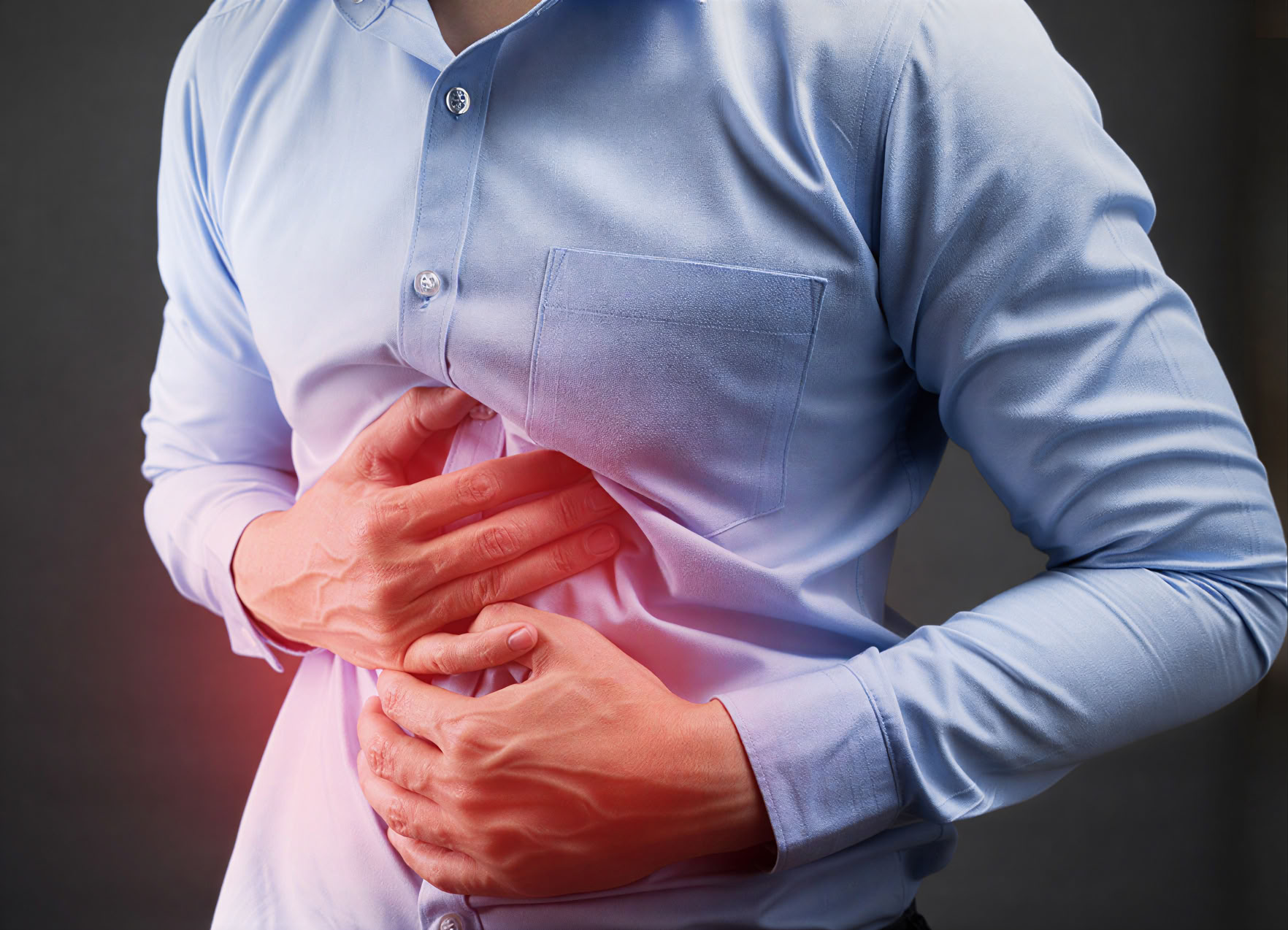
As the intestinal lining becomes inflamed and ulcerated, it loses the ability to process food and waste effectively or absorb water. This can lead to loose stools, and in severe cases, weight loss. Many people with Crohn’s disease or ulcerative colitis also experience urgency, abdominal cramps, and bloody stools. Ongoing blood loss may eventually result in anemia.
Ulcerative colitis
Common symptoms include rectal bleeding and diarrhea. The severity varies depending on how much of the colon and rectum is affected. Patients with inflammation limited to the rectum or a short segment of adjacent colon generally have milder symptoms and a better prognosis than those with more widespread disease. Based on the area involved, UC is classified as Ulcerative Proctitis, Procto sigmoiditis, Left sided colitis, Pan colitis, and Fulminant colitis.
Crohn’s disease
Typical symptoms include abdominal pain, diarrhea, and weight loss. Less common signs include poor appetite, fever, night sweats, rectal pain, and rectal bleeding. Some patients also develop symptoms outside the gastrointestinal tract, such as arthritis, skin rash, and inflammation of the iris.
Diagnosis and Lab Investigations
IBD with colon involvement is among the top three high-risk conditions for colorectal cancer. Colorectal cancer accounts for approximately 10–15% of all deaths among IBD patients. People with IBD colitis are six times more likely to develop colorectal cancer than the general population and have a higher frequency of multiple synchronous colorectal cancers.
Diagnosis
Because Crohn’s disease and ulcerative colitis can present with nonspecific gastrointestinal symptoms, other diagnoses must be considered before confirming either condition, especially when typical endoscopic findings are absent or when other diseases are more likely.
Presentations may include increased C-reactive protein, ESR level, platelet count, and decreased hemoglobin levels.
Testing
Testing is important for determining the stage of the disease and selecting the most appropriate treatment options. It may include laboratory tests, endoscopy, sigmoidoscopy, radiography, biopsy, and barium enema.
Laboratory tests:
C-reactive protein
Erythrocyte sedimentation rate
Platelet count
Hemoglobin
Fecal calprotectin levels
Ayurveda Treatments for ulcerative colitis and Cohn’s disease
Ayurveda Concept
In Ayurvedic literature, Vatika grahani, Rakta, and Pithathisara are associated with this condition.
At the root of disease lies digestion. When the digestive system functions optimally, supported by proper lifestyle and the right quantity and quality of food according to an individual’s prakruti, food is broken down into elements that nourish the tissues and support daily function.
Grahani is considered the seat of Agni. The relationship between Grahani and Agni is like that of structure and function. When digestive fire is disturbed by poor habits and incorrect eating patterns, food toxins (Ama visha) are formed. Ama may become lodged in the villi of the intestine, creating a thick coating. Together with excess heat in the abdomen, this leads to Kapha imbalance and a loss of snigdhatha, or intestinal oiliness and mucus secretion. As mucus is eliminated in stool, Kapha depletion gradually aggravates Pitta, triggering inflammation, ulceration, bloody diarrhea, and eventually structural changes in the intestinal wall. Over time, impaired absorption and weakened intestinal movement can cause weakness, diarrhea, fatigue, weight loss, and anemia.
Ayurveda treatment, including Panchakarma approaches, aims to heal ulcers, digest ama, remove toxins, balance the doshas, and support immune function in order to control this challenging condition.
Ayurveda approach to medical management
In chronic cases, structural changes in the intestinal lining can leave the patient very weak. In such situations, restoring normal health becomes the primary focus.
Internal medicines may be prescribed in the form of churnas, Lavanas, ksharas, sura, asava, and different varieties of buttermilk.
- Agni Deepana (stimulation of appetite)
- Digestive Pachana oushadha (formulations that directly digest ama)
- Grahi (formulations that support digestion and retention, useful in diarrhea and poor appetite)
- Vrana ropana (ulcer healing formulations)
- Stambhana (formulations that reduce movement or elimination, used when bloody diarrhea occurs with normal appetite)
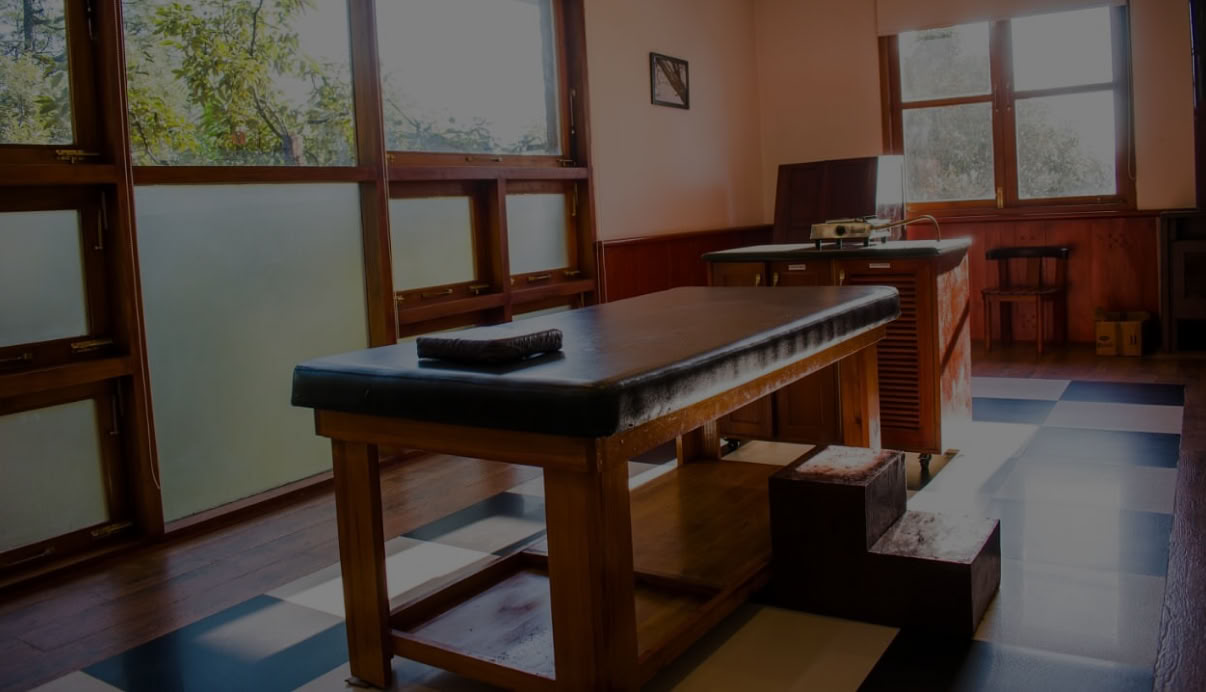
Therapies may include Mrudu virechana to support Vathanulomana and relieve pain. Vasthi, or medicated enema, is especially useful when the lower gastrointestinal tract is affected. It may help heal bowel ulceration, reduce inflammation and irritation of the colon, and support recovery. Anuvasana vasthi and Picha vasthi are commonly used in UC.
In early stages, when only Grahani symptoms are present and no ulceration has developed, the physician may use vamana karma if ama is in the amashaya, or virechana karma if ama is in the pakwasaya. Residual morbid matter may then be removed through sneha sweda poorva asthapana vasthi, followed by anuvasana vasthi.
Treatment specific information:
Along with treatment, lifestyle guidance such as good sleep, physical activity, practices that support a peaceful mind, and healthy eating habits is often recommended. This includes wholesome food taken at the right time, in the right quantity, and in the right place when hunger is present.
How AyurVAID Can Help You?
Modern medicine offers limited options such as temporary use of intestinal antibiotics, anti-diarrheal medicines, salazopyrine, steroids, immune modulators, or surgery. These approaches may control episodes, but they do not cure the disease. They may also carry side effects, including intolerance and toxicity to organs such as the kidney, liver, pancreas, and eyes. Ayurveda therapy can play a vital role in helping reduce symptoms and support better disease management.
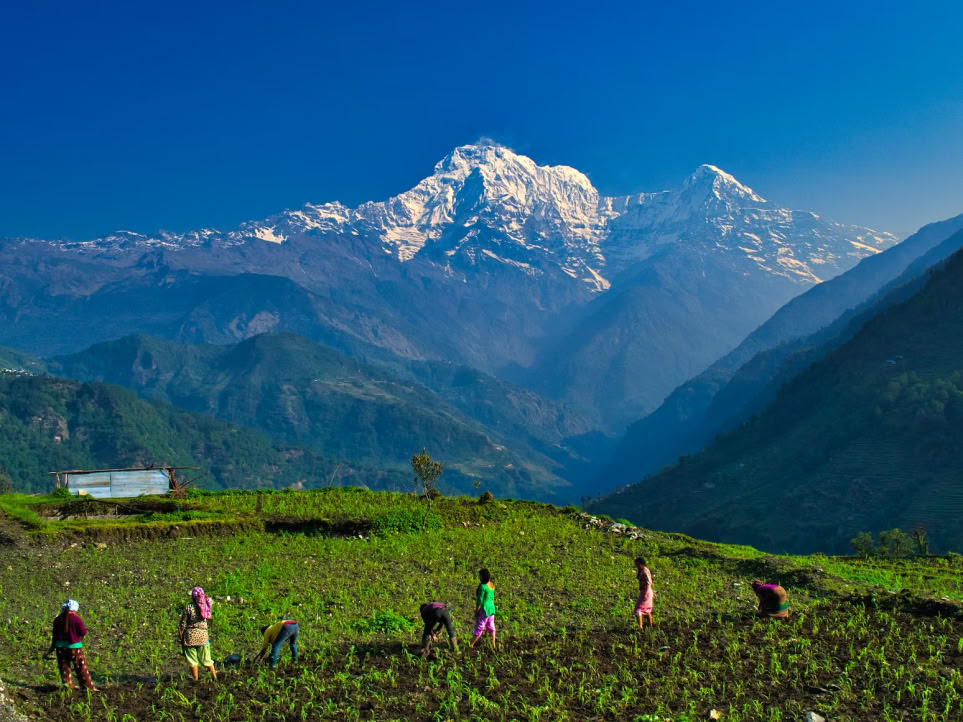
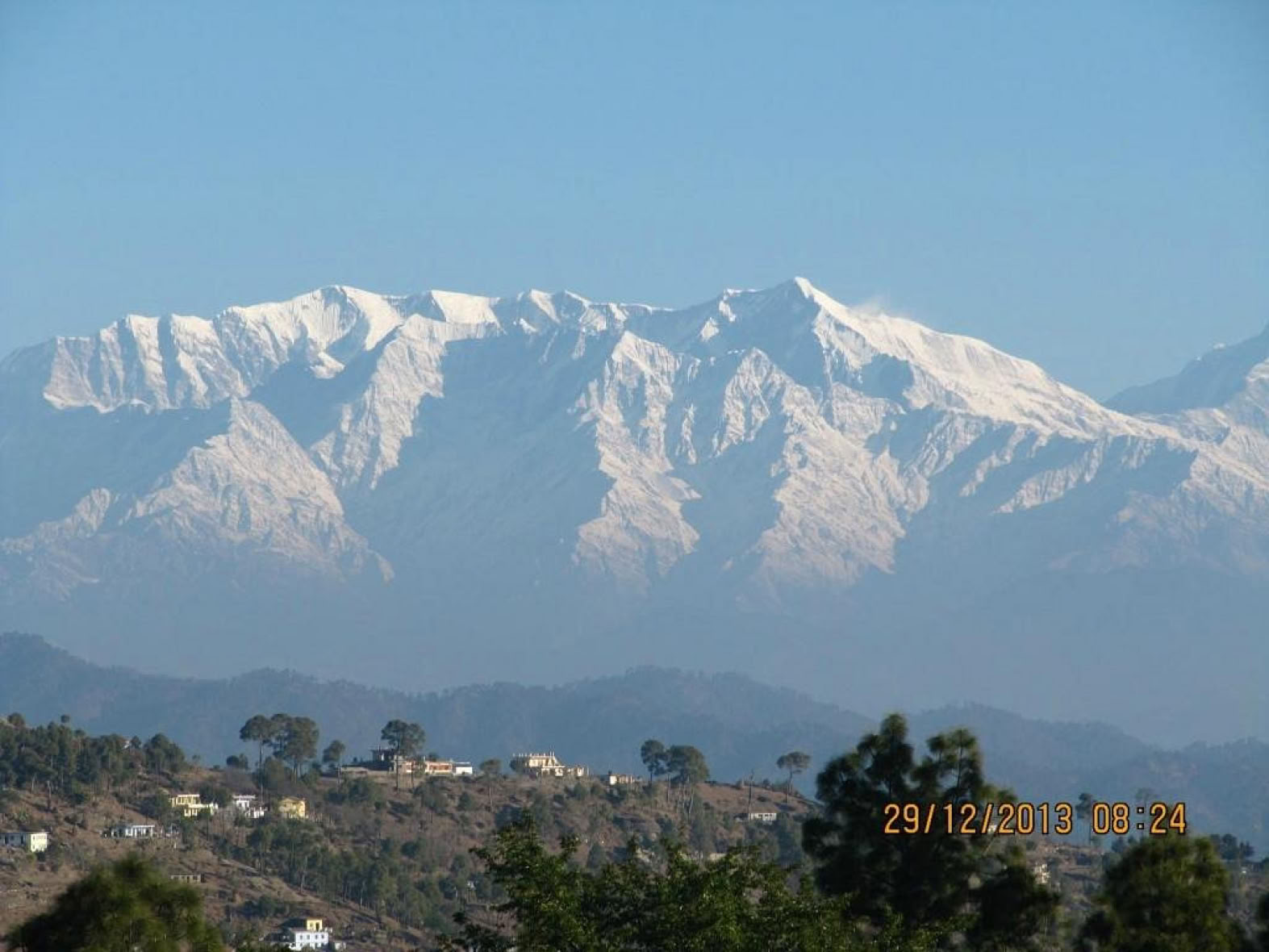
AyurVAID Kalmatia in Almora, Kumaon, Uttarakhand, in the Himalayas, follows a rigorous, process-driven method to identify the causes of IBD, assess disease severity using both Ayurveda and allopathy parameters, understand the pathogenesis, and plan Chikitsa accordingly. A further focus is sustained well-being after the main treatments to help prevent relapse, supported by planned reviews and diet and lifestyle recommendations.
Healing in AyurVAID Kalmatia
Disease Reversal
Ayurveda addresses the root cause and the pathway through which illness develops.
Revitalisation
Whether the goal is to reduce stress, support weight loss, or rejuvenate body, mind, and soul, AyurVAID Kalmatia’s cleansing approach is designed to help.
Health in the Himalayas
A journey of Ayurveda, yoga, homa, meditation, pilgrimage, treks, and wildlife in the Himalayas, supporting self-renewal.
Ayurveda by AyurVAID
Ayurveda is not only a system of medicine, but also a system for promoting health and preventing disease.
Devbhumi Kumaon
Kumaon, or Kurmanchal of the past, is a remarkable land of mountains and flower-filled valleys, fit for the Gods.
Ritucharya - Ayurveda
Seasonal changes directly influence human health and remain an important part of Ayurveda.
Teachers
AyurVAID Kalmatia - Centre of Healing in Almora, Uttrakhand
Place

Kalimat Estate, Kasar Devi Upper Binsar Road, Almora, Balt Bari, Uttarakhand 263601, India
Almora
Place map
Categories
Contact Information
Price
On request
Please contact the organizer directly for pricing information