
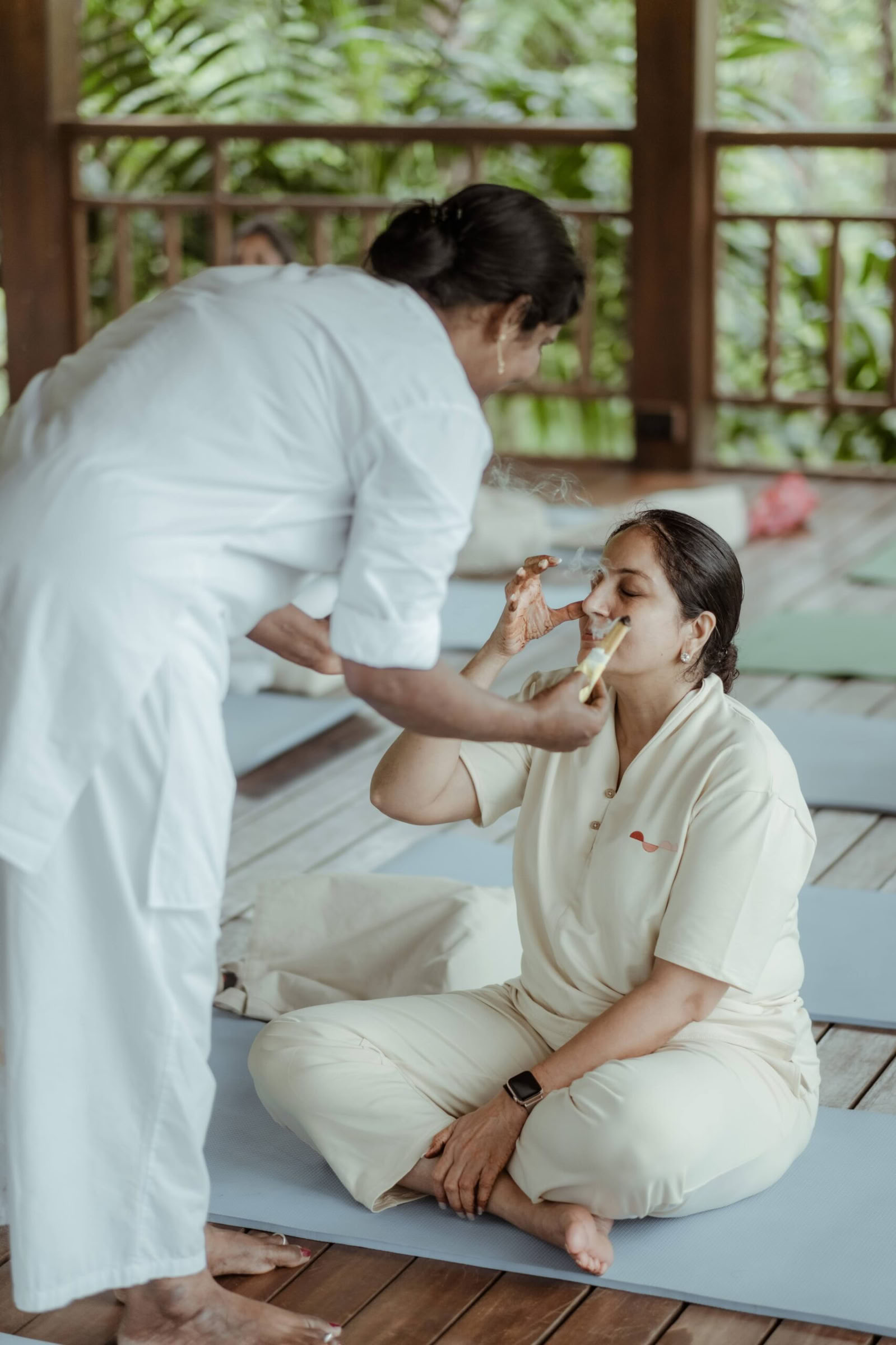


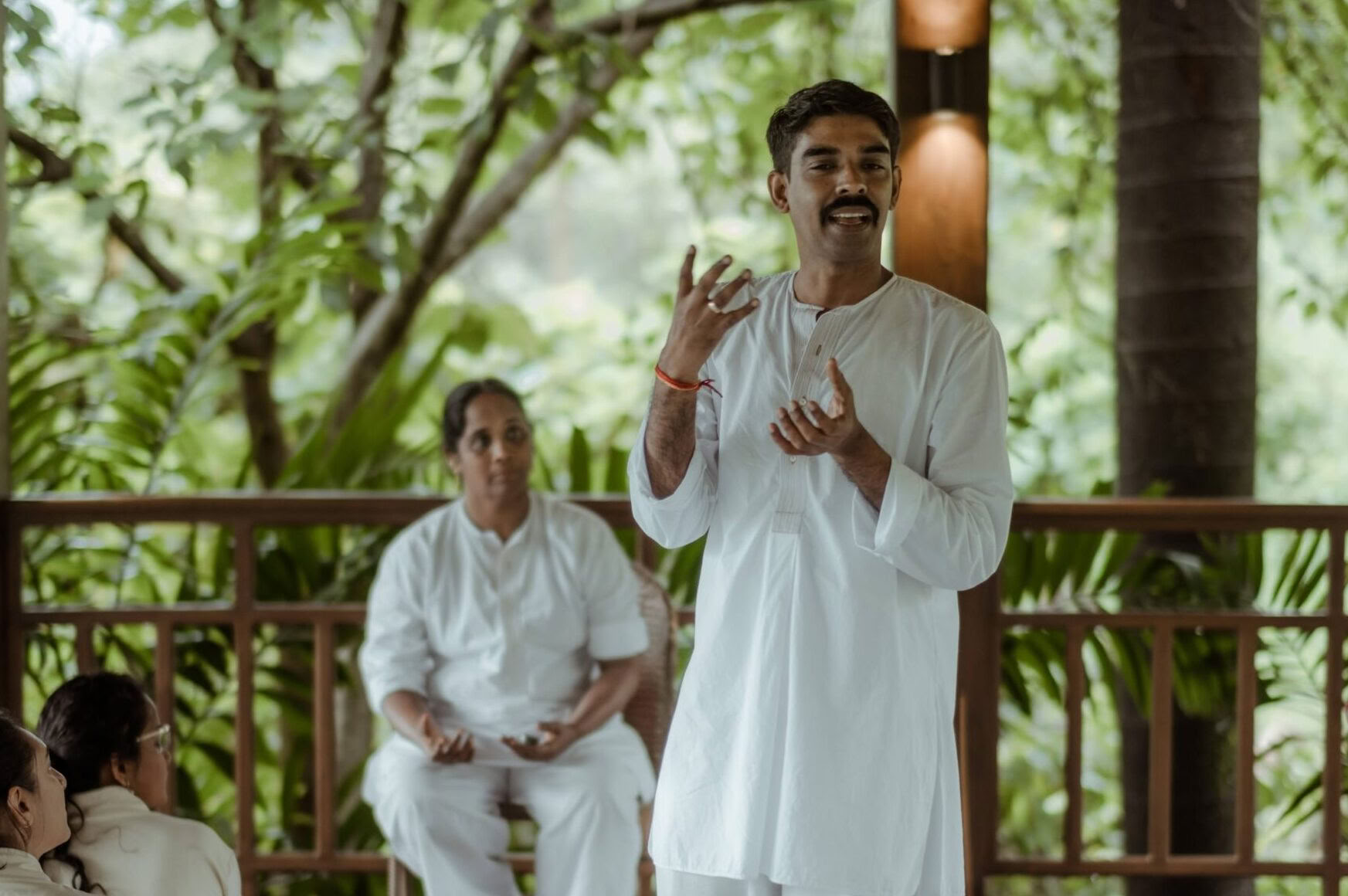
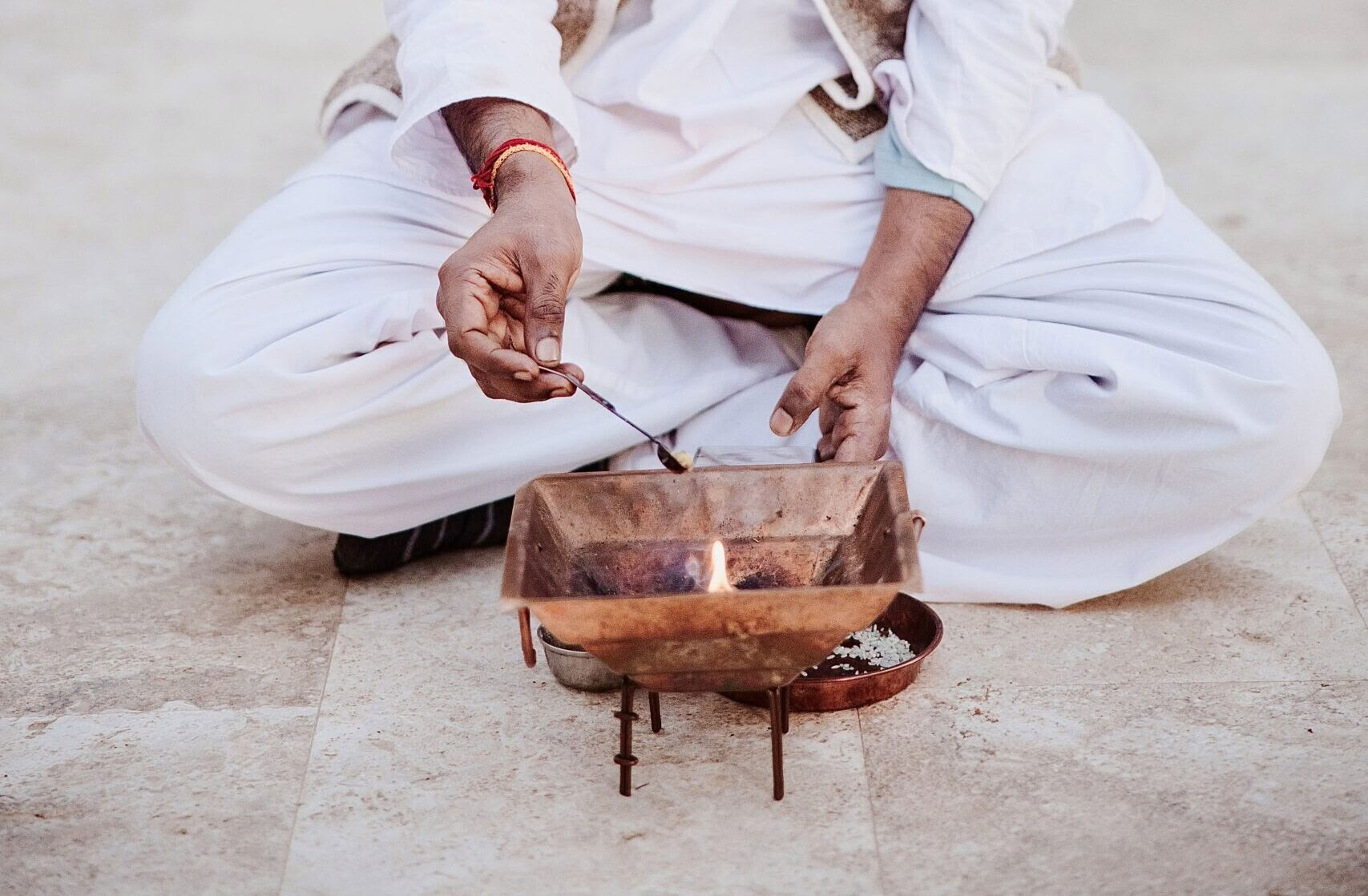


Dimora di Datu presents a forthcoming residency in Goa, India, bringing guests closer to the landscapes, climate and cultural rhythms from which these practices have long drawn strength. By situating the retreat at its point of origin, the experience invites a deeper, embodied understanding of Ayurveda as a living system, while opening space to engage more fully with its principles and methods.
Goa is a place shaped by layers of contact. Across time, empires, trade routes and shifting cultural periods have passed through the same geography, leaving behind a landscape of overlap rather than replacement. That continuity gives the region its distinctive character, where traditions remain present alongside one another.
There is also a sense of return in Datu’s presence here. The idea of “coming back to” sits at the heart of many Eastern traditions, and many of the philosophies informing this work have roots in this region and neighbouring lineages. Welcoming guests here becomes an extension of that return: an invitation to enter the context from which the work originally emerged. The atmosphere is one of care, familiarity and responsibility, with a clear and supportive structure that allows guests to simply arrive.
The retreat takes place at the Postcard Hideaway, where the coastline meets a nature reserve and the elevated terrain of the Western Ghats. Here, the monsoon takes on a gentler character, shaped by the surrounding hills. The architecture sits quietly within the environment, while large windows and private terraces open onto wide views. Inside, the spaces are designed for elegance and comfort, creating a setting where surroundings, meals, treatments and time begin to work together. Gradually, the body settles, returning toward internal balance and responsiveness.
Authenticity, integrity and individualised care
Some forms of restoration deepen through proximity to place. Certain therapeutic traditions carry an atmospheric quality that cannot be fully separated from their original setting, even when their methods are faithfully reproduced elsewhere. Techniques may travel, and practitioners may work internationally, yet something remains tied to the ecology in which the work first took shape. In India, these systems continue to live within daily life as part of a broader cultural fabric.
The monsoon, known as Varsha Ritu, defines the seasonal context. Rain changes both atmosphere and physiology: heat softens into humidity, movement slows, and attention turns inward. Traditional medical frameworks consider this a particularly effective time for treatment, as the body becomes more receptive and patterns of fatigue, tension and stagnation can surface with greater clarity. The sound of rain, the muted light and the easing of outward urgency all support a more restorative state.
The therapeutic approach is built around this understanding. Datu brings together Ayurveda, Sowa Rigpa, Traditional Chinese Medicine, Chi Nei Tsang, yoga and Western musculoskeletal practice within one coherent framework. Each tradition addresses a different aspect of the body, from circulation and structure to visceral tension, breath, energetic flow and postural alignment. Together, they allow for a more complete and precise form of care.
For Indian guests, the retreat offers a return to familiar lineages, encountered with renewed clarity and contemporary expression. For international guests, the same framework is introduced with careful guidance and support, making unfamiliar terrain accessible without dilution. In both cases, the focus remains on direct experience.
Food follows Datu’s approach to nourishment, where cooking is treated as part of the healing process. Seasonal ingredients, thoughtful combinations and close attention to digestion and metabolic function shape the rhythm of the kitchen. The intention is synergy, with meals designed to support the therapeutic work taking place throughout the retreat. Each dish reflects a genuine love of feeding others, resulting in food that is composed, restrained and refined.
Datu Wellness
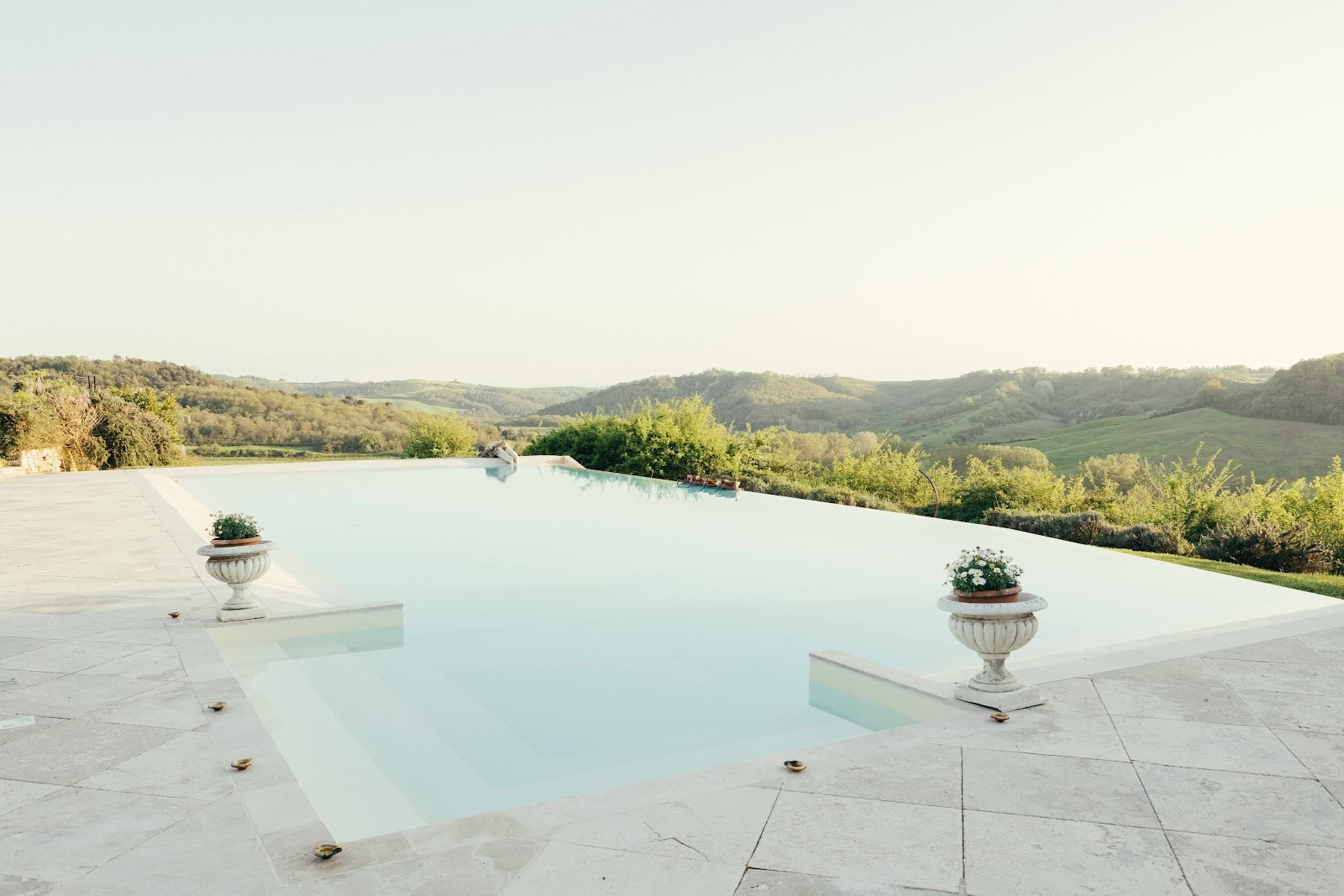
Via Senatore Peppino Manente Comunale, 22, 84048 Santa Maria di Castellabate SA, Italy
Santa Maria di Castellabate
Price
£330.00