8 Day | 7 Night Trauma Informed Transformative New Year's Huachuma Immersion




Description
For much of human history, people who gathered with plant medicine in ceremony understood something that science is only now beginning to explore: the experience is not confined to the mind. It is felt in the body, carried into the days that follow, and often reflected in the way a person moves through life afterward. Recent research is starting to echo that wisdom. In July 2025, a peer-reviewed study in npj Aging, part of the Nature portfolio, offered the first experimental evidence that psilocybin may extend cellular lifespan and improve survival in aged mice. A few months later, Bryan Johnson completed a highly quantified self-experiment with psilocybin, tracking 249 biomarkers across two ceremonial doses. He reported a drop of more than 35% in systemic inflammation, measurable shifts in his microbiome, and brain patterns associated with greater flexibility and less rumination that continued beyond the experience. The studies are very different, but together they suggest that psilocybin may be influencing more than perception alone.
Nature study findings
The 2025 npj Aging study found that psilocin, the active metabolite of psilocybin, extended the lifespan of human cells by 29% at a 10 micromolar dose and by 57% at 100 micromolar. In aged mice, psilocybin was also linked with significantly improved survival. Researchers from Baylor College of Medicine and Emory University used a validated aging model called replicative senescence, in which human fetal lung fibroblasts are divided repeatedly until they can no longer replicate. Cells exposed to psilocin kept dividing longer than untreated cells, without becoming cancerous. They simply aged more slowly. The researchers suggested psilocybin may act as a “geroprotective agent,” supporting the body against cellular aging itself. Their work also connects to the psilocybin-telomere hypothesis, which proposes that psilocybin may help protect telomere length, especially given the known links between chronic stress, depression, anxiety, and telomere shortening.
Bryan Johnson study findings
Although not peer-reviewed, Bryan Johnson’s self-experiment tracked the most comprehensive set of biomarkers yet around a psilocybin experience. After two doses spaced one month apart, he reported broad changes across mental, hormonal, metabolic, and anti-inflammatory systems. His systemic inflammation moved from “elite” levels to undetectable, representing a reduction of more than 35%. His microbiome changed measurably, which he described as dramatic. Brain scans showed reduced activity in the prefrontal cortex and command networks during the experience, along with increased connectivity and cognitive flexibility afterward. Johnson already had an unusually optimized baseline, with most biomarkers in the 99th percentile before the experiment began, yet psilocybin still produced multi-system effects that his other practices had not.
Why this matters
This growing body of research suggests psilocybin may be acting at a deeper level than mood or perception, reaching into inflammation, mitochondrial function, gut balance, and the cellular processes tied to aging. For years, the conversation around psilocybin has centered on consciousness, insight, and emotional release. Those effects matter. But the emerging science points to another layer as well: the body may be changing too. After ceremony, many people describe feeling more settled, less inflamed, and less internally “switched on.” That lived experience is beginning to show up in measurable ways. Whether psilocybin meaningfully affects human lifespan is still unknown, but the picture of what this medicine can do is clearly expanding.
The container
If psilocybin may influence cellular aging, inflammation, and microbial balance, then the conditions around ceremony matter even more. A medicine with this much potential biological impact deserves thoughtful preparation. Sleep, nutrition, hydration, and reduced stress in the weeks before arrival are not just supportive practices; they help create the physiological conditions for the work to unfold. At Ananda Lodge, preparation begins weeks before guests arrive, with the aim of giving the medicine the best possible conditions to meet the body, the mind, and the system as a whole.
If curiosity is pulling at you
Most guests who come to Ananda for a first psilocybin retreat have been considering it for some time. They have read, watched, listened, and felt a quiet pull toward the work. The growing conversation around psilocybin and longevity may make that pull stronger. If that sounds familiar, it may be worth exploring. Ananda Lodge offers psilocybin retreats throughout the year in small groups of up to 10 guests, with deep preparation, somatic support, and three months of integration so the experience can translate into lasting change.
Teachers
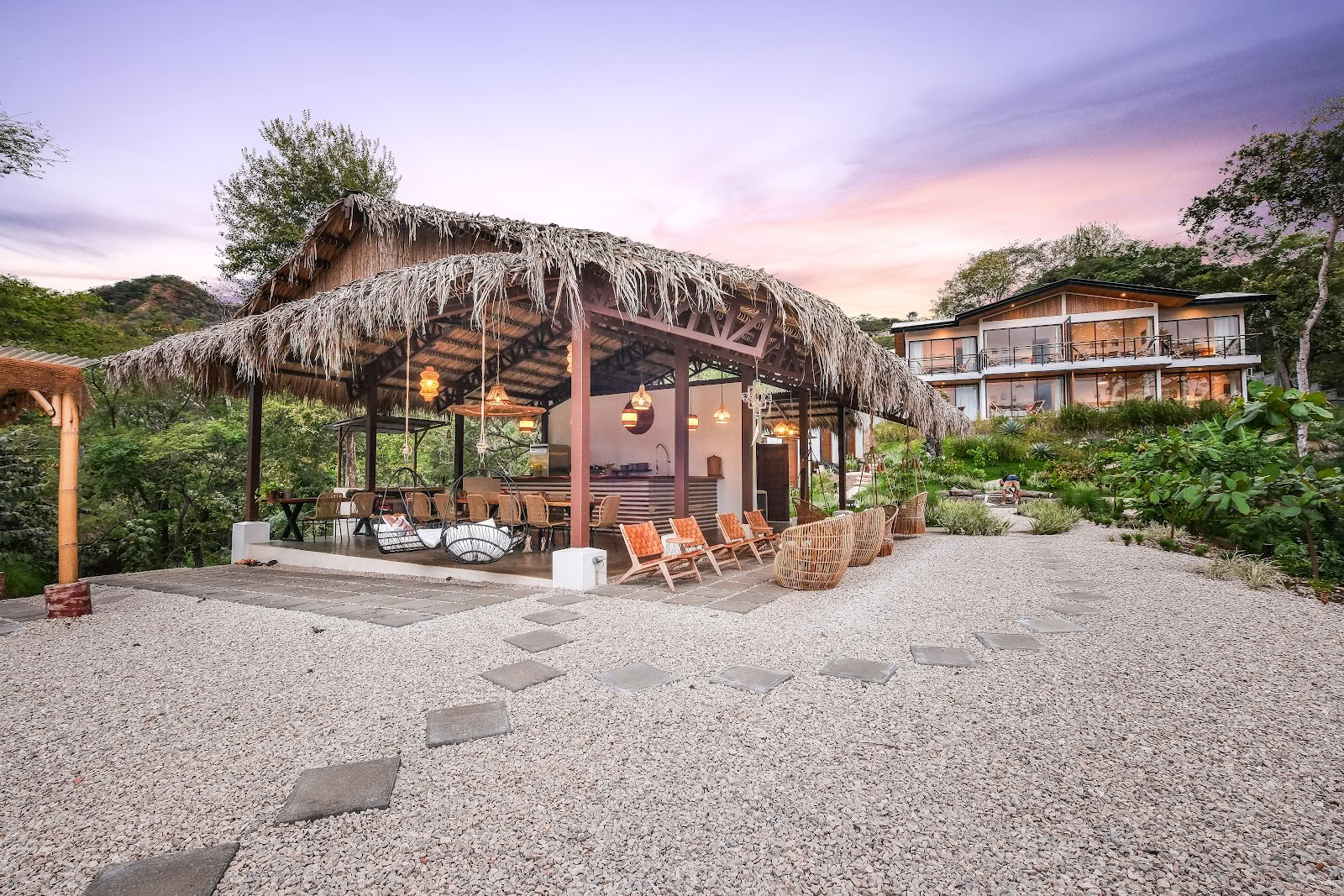
Ananda Lodge Costa Rica
Place
Place map
Categories
Contact Information
Price
On request
Please contact the organizer directly for pricing information
Tue, Dec 29 – Tue, Jan 5