200 Hours Yoga Teacher Training in Goa


Description
We are a Yoga Alliance, USA-accredited yoga school, and upon successful completion of our programs, you may qualify as a Registered Yoga Teacher (RYT-200, RYT-300, and RYT-500).
200 Hour Yoga Teacher Training in Goa, RYT-200
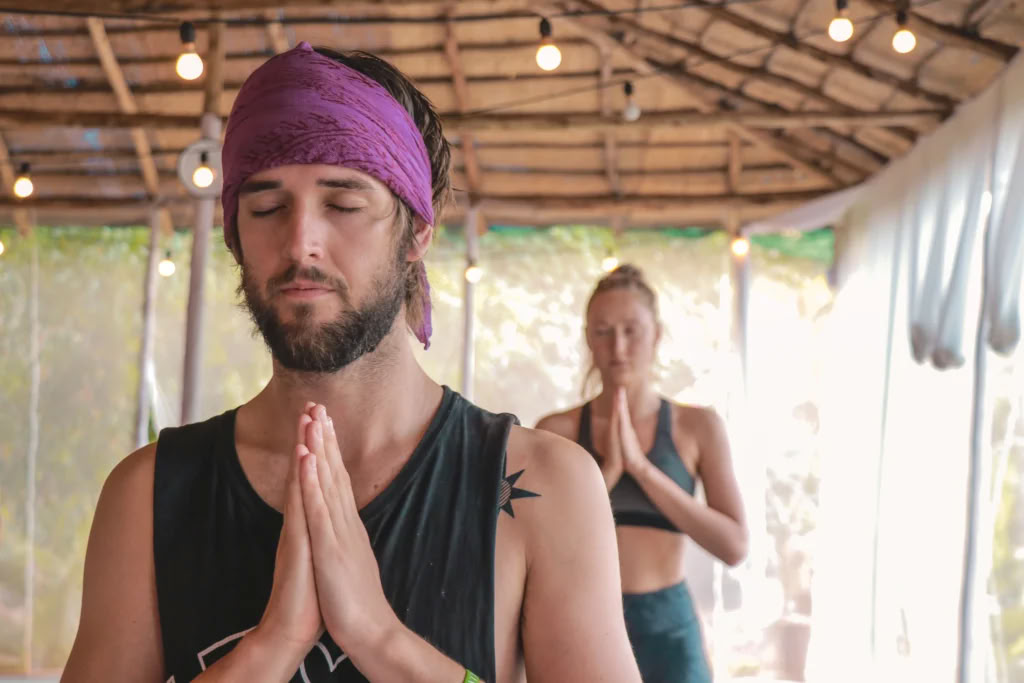
This 200-hour Ashtanga Vinyasa and multi-style yoga teacher training in Goa is registered with Yoga Alliance USA. By joining this program, yoga practitioners can deepen their understanding of yoga through asanas, pranayama, kriya, meditation, bandha, anatomy, yogic philosophy, and the fundamentals of teaching. The training offers a powerful mental, physical, and spiritual experience, inviting you to explore the many layers of yoga and connect more fully with your true self.
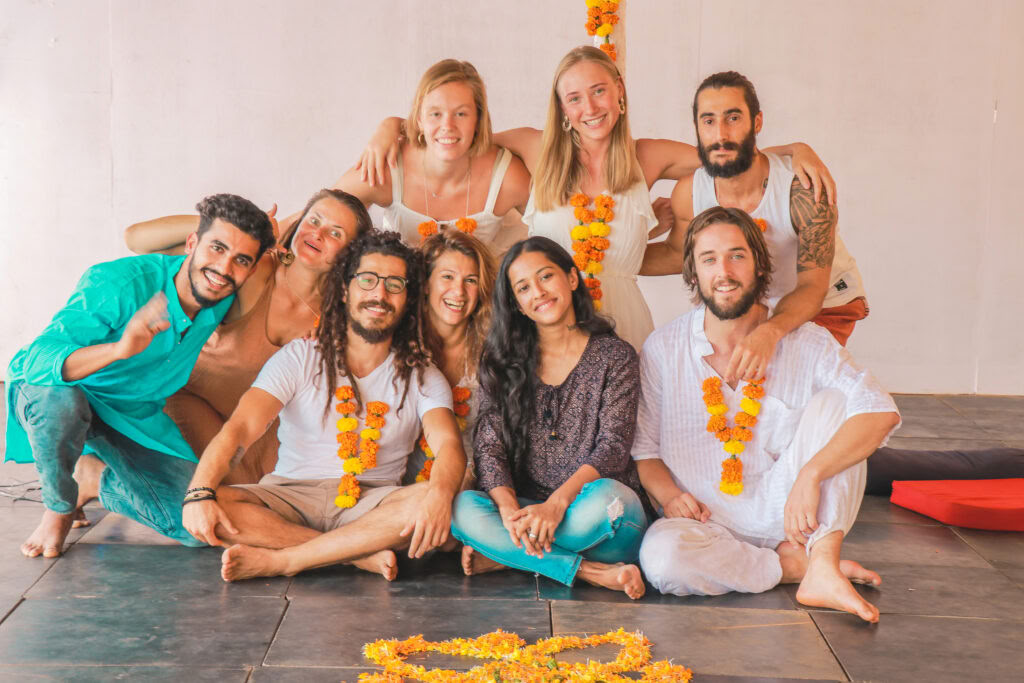
During your time at the school, you can expect plenty of sharing, connection, discussion, and meaningful conversations with like-minded people. There is also space for fun, recreation, and quality time together, while you work toward becoming a qualified yoga teacher with the 200-hour yoga teacher training course in Tapas Yoga India.
The course is designed for both personal and professional growth. Throughout the training, discipline, a structured routine, and healthy eating are important parts of each student’s self-development. This immersive 300 Hour Yoga Teacher Training course also builds a strong foundation in anatomical, philosophical, and adjustment-based knowledge, helping you guide classes that heal, inspire, and inform.
Best Yoga Teacher Training Goa
Yoga philosophy is deeply connected to Indian culture, and learning in this setting offers a more authentic experience. For many students, studying yoga in the place where it originated provides a meaningful way to engage with its roots. Others appreciate the practical value of combining travel and study in one journey.
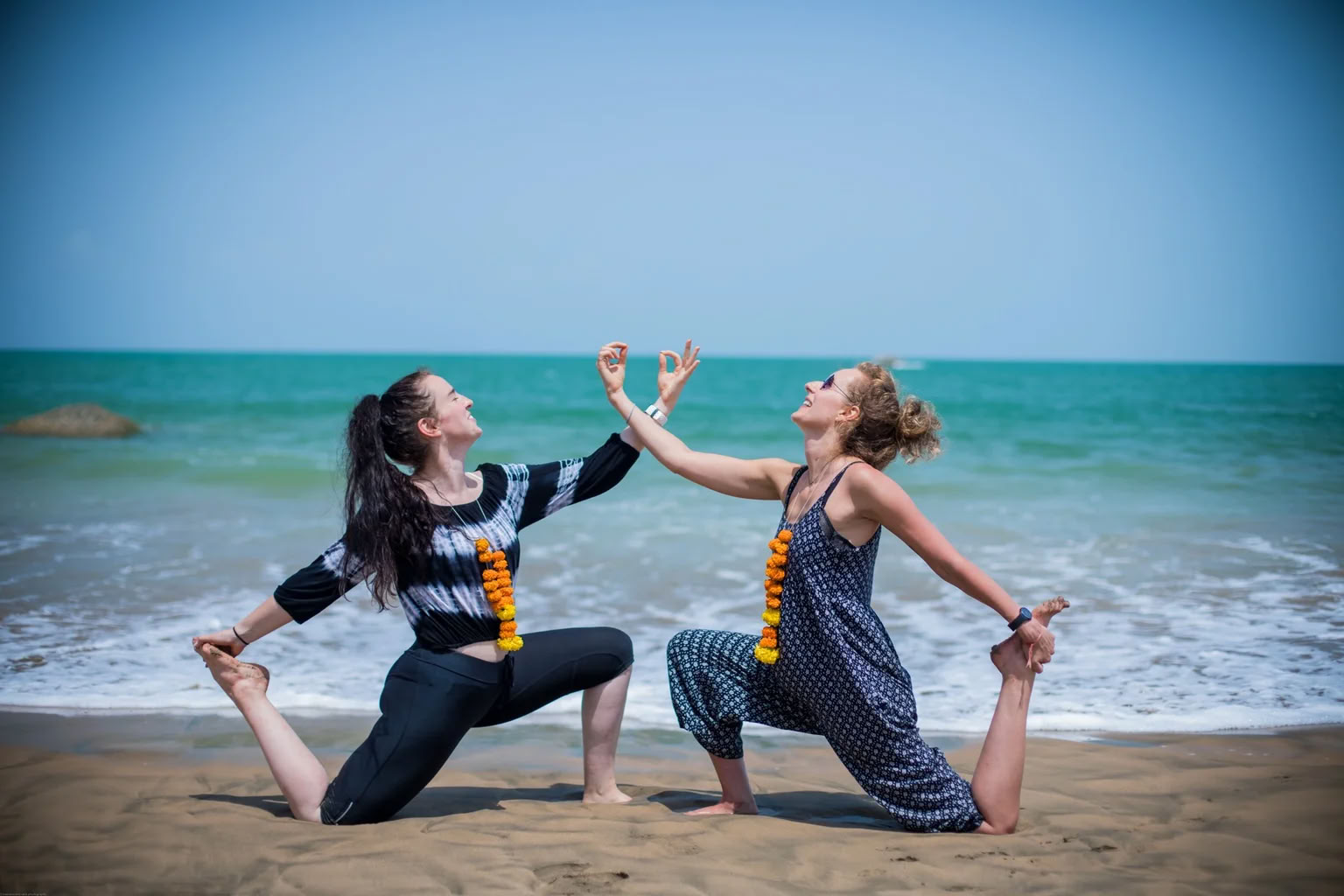
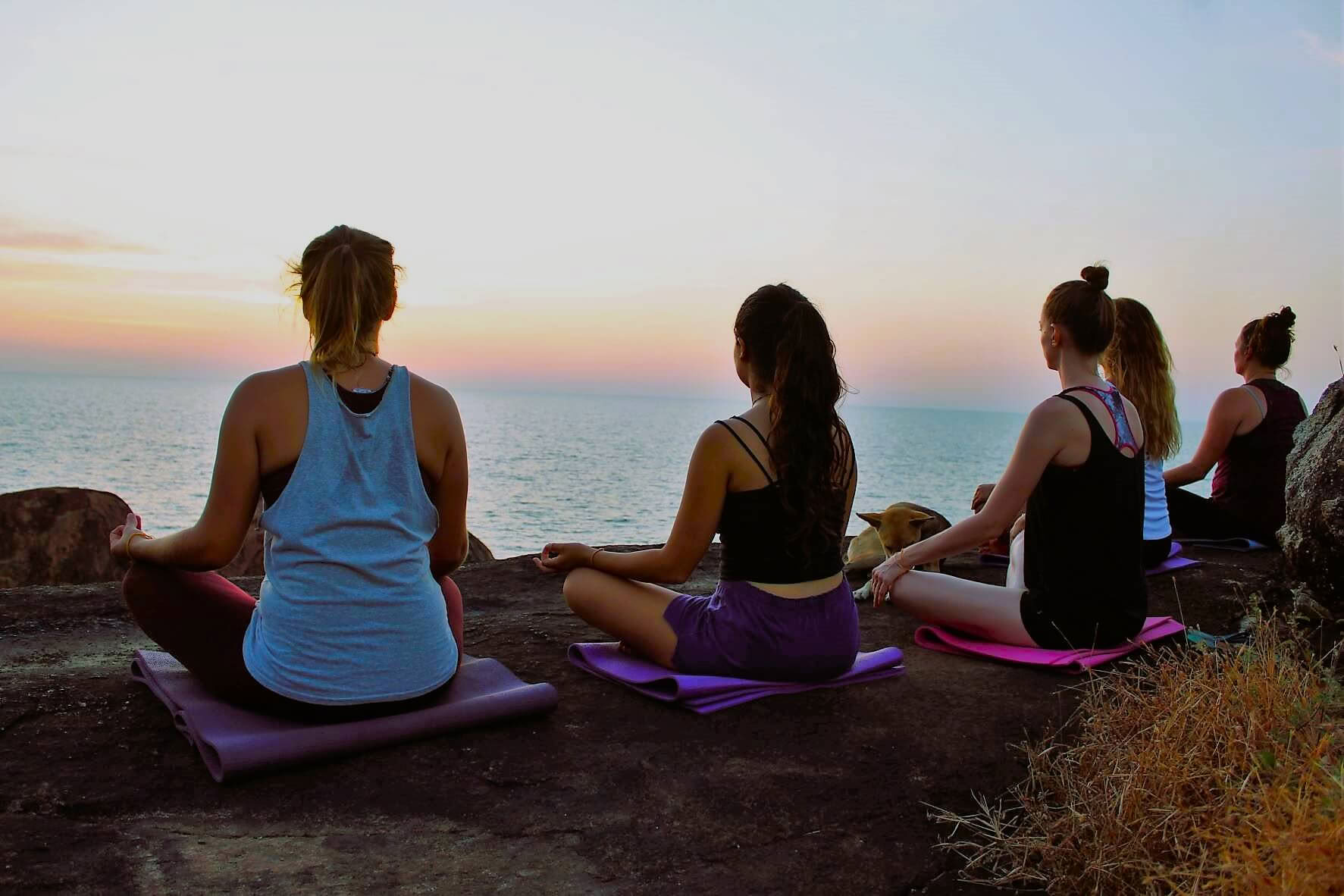
Goa’s beautiful beaches create a special atmosphere for practice. With the ocean nearby, the rhythm of the waves, the greenery, and the calm of the shoreline, it becomes a wonderful place for asana, meditation, and pranayama. Occasional beach classes add to the experience. Our school is located in South Goa, known for its secluded beaches, lush vegetation, wildlife, and rich culture.
What is Yoga Alliance Teacher Training Certification? RYT-200
Yoga Alliance is a non-profit association based in the United States that accredits yoga teacher training programs around the world, including RYT-200, RYT-300, and RYT-500 courses.
What does the Yoga Alliance do?
Yoga Alliance sets standards for yoga training programs. Schools must follow these guidelines to ensure the required study hours and training quality are met.
About 200 hour yoga teacher training course certification with yoga alliance
To teach at a yoga studio, community center, gym, or similar setting, the basic requirement is to complete a 200-hour yoga teacher training from a Yoga Alliance registered school.
After successfully completing a 200 Hr Yoga Teacher Training program at a registered school, you become eligible to join Yoga Alliance. While some studios may not require this membership, many still prefer graduates from schools that follow Yoga Alliance standards, especially when choosing among many applicants. A certified yoga teacher will naturally stand out.
200 hour yoga teacher training in Goa duration
This course includes 24 days of yoga study and practice, helping you master yogic knowledge and its authentic application alongside fellow students. In addition to the syllabus, you will also explore topics such as depression and anxiety, their causes, and how yoga can be applied as support.
200 Hours Multi-Style Yoga Teacher Training Syllabus
YOGASANA
Gentle and dynamic warm-up exercises, full-body preparation, traditional Hatha Sun Salutation, Ashtanga Vinyasa Sun Salutation, the concept of asanas, their varieties, and effects.
Traditional Hatha Yoga poses, modern and contemporary yoga poses, standing, seated, supine, prone, and inversion postures.
Workshops on handstands, arm balances, backbending, hip opening, therapeutic yoga, injury prevention, and safety in practice.
Introduction to traditional Ashtanga and Hatha yoga practices.
Ashtanga Vinyasa primary series, Pawanmuktasana series, various Vinyasa flows, and the art of yin yoga.
PRANAYAMA AND DHYANA
What prana is, the types of prana, and the importance and benefits of pranayama.
Different pranayama techniques including Nadi Shodhana, Shitali, Shitkari, Bhramari, Ujjayi, Bhastrika, Surya Bhedi, Chandra Bhedi, and Kapalbhati.
The concept of meditation, including breath observation, body scanning, Vipassana, Transcendental Meditation, chakra meditation, concentration practices, Bahir and Antar Trataka, Nada meditation, Ajapa Japa, Antar Mouna, mantra meditation, Yoga Nidra, and inner visualization.
HUMAN ANATOMY
Basic functional anatomy and physiology related to movement, including how anatomical principles apply to yoga practice, asana mechanics, benefits, contraindications, and healthy movement patterns.
Practical anatomy with emphasis on the skeletal system, joints, muscular system, endocrine, respiratory, and circulatory systems in yoga.
Study of the knee, hips, spine, and shoulder, along with common injuries, their causes, and supportive yoga practices.
ASANA ALIGNMENT AND ADJUSTMENTS
How to enter and exit postures safely, how to give cues and instructions, anatomical understanding of yoga postures, and the muscles used in each pose.
Benefits, contraindications, hands-on adjustments, modifications, advanced variations, and the use of props based on individual needs.
Classical Sun Salutations, Sun Salutation A and B from Ashtanga Vinyasa Yoga, and alignment for standing, seated, forward bend, backbend, inversion, balancing, and hip-opening poses.
TEACHING METHODOLOGIES
Step-by-step class structure planning, qualities of a yoga teacher, teacher attitude, authenticity, safety, injury prevention, and voice modulation.
Building inner connection, communication, demonstration, assisting, cueing, traditional Hatha class structure, sequencing Vinyasa flows, peak pose preparation, and how to build toward one.
Setting up classes for large and small groups, personal training, yoga business basics, marketing strategies, studio setup, and community building.
Foundations of teaching yoga classes, key terms and points for asana teaching, confidence building, and regular teaching practice.
YOGIC PHILOSOPHY
The meaning, aim, history, and evolution of yoga; what Hatha Yoga, Ashtanga Yoga, Vinyasa, and Yin Yoga are.
Introduction to yoga texts, bandhas, mudras, prana, koshas, kundalini, chakras, ancient yogi stories, the four paths of yoga, the Vedas, and the six systems of Indian philosophy.
The meaning of Om, Omkar, Sanskrit mantras, ShatKriyas, and the Eight Limbs of Yoga: Yama, Niyama, Asana, Pranayama, Pratyahara, Dharana, Dhyana, and Samadhi.
Concepts of gunas—Sattva, Rajas, and Tamas—and their role in daily life, along with mantra chanting, lifestyle, and yoga ethics.
SHAT KRIYAS AND AYURVEDA (6 Cleansing Techniques and Holistic Study of Human Body)
Introduction to Shat Kriyas, where “Shat” means six and “Kriyas” means techniques or actions, and the importance of cleansing in a yogic lifestyle.
Cleansing practices include Jala Neti, Sutra Neti, eye cleaning with eye cups, Kunjal Kriya, and Trataka, plus their role in Hatha Yoga and their relationship to pranayama.
Basic principles of Ayurveda, its history and philosophy, Ayurvedic nutrition, Tridoshas, Pancha Mahabhuta, Tri-Gunas, and diet according to Ayurveda.
Our Packages
Single Accommodation
€ 1599
The Package Includes
23 Nights Accommodation
Course Manual & Materials
Course Fee
Shuttle Pickup From Goa Airport (GOI)
Course Kit
3 Veg meals/ day (Sunday excluded)
Tea / Coffee / Filtered Water
Wifi access
Twin Accommodation
€ 1299
The Package Includes
23 Nights Accommodation
Course Manual & Materials
Course Fee
Shuttle Pickup From Goa Airport (GOI)
Course Kit
3 Veg meals/ day (Sunday excluded)
Tea / Coffee / Filtered Water
Wifi access
Course Only
€ 799
The Package Includes
No Accommodation Included
Course Manual & Materials
Course Fee
Shuttle Pickup From Goa Airport (GOI)
Course Kit
3 Veg meals/ day (Sunday excluded)
Tea / Coffee / Filtered Water
Wifi access
Teachers
Tapas Yoga India| Best yoga teacher training and Yoga retreat in India
Place
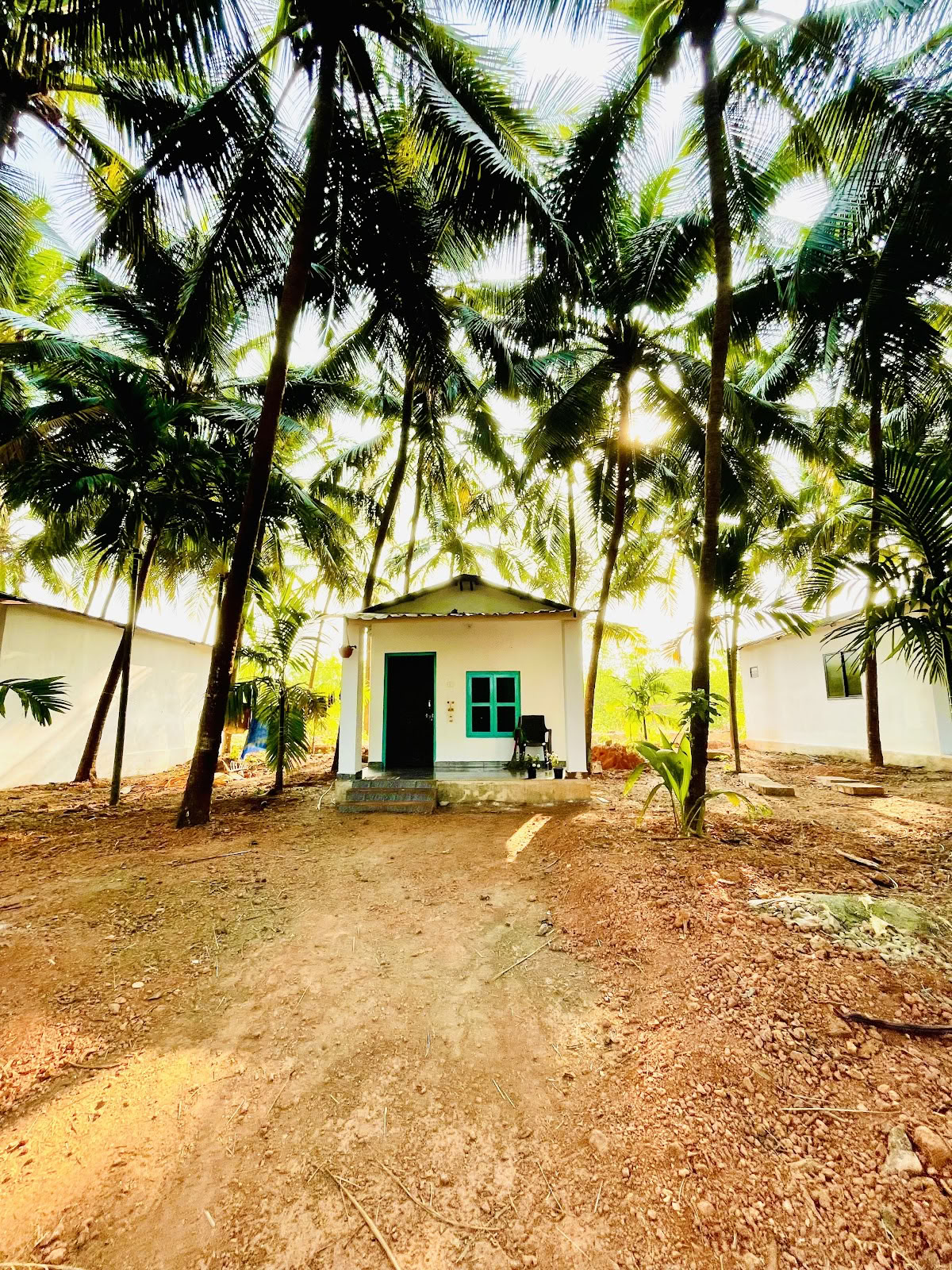
Near, Galgibagh beach road, Canacona, Loliem, Goa 403702, India
Canacona
Place map
Categories
Contact Information
Price
€999.00
Duration
27 nights / 28 days
Available any date